



Fanaroff dismisses ‘infrastructure versus localisation dichotomy’ as ‘factually wrong’

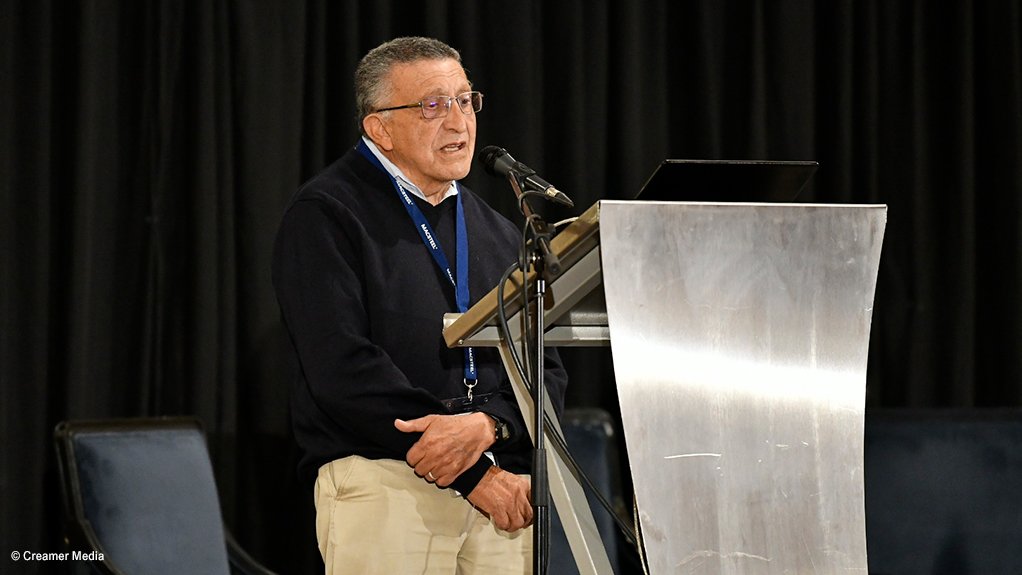
Dr Bernie Fanaroff
Photo by Creamer Media's Donna Slater
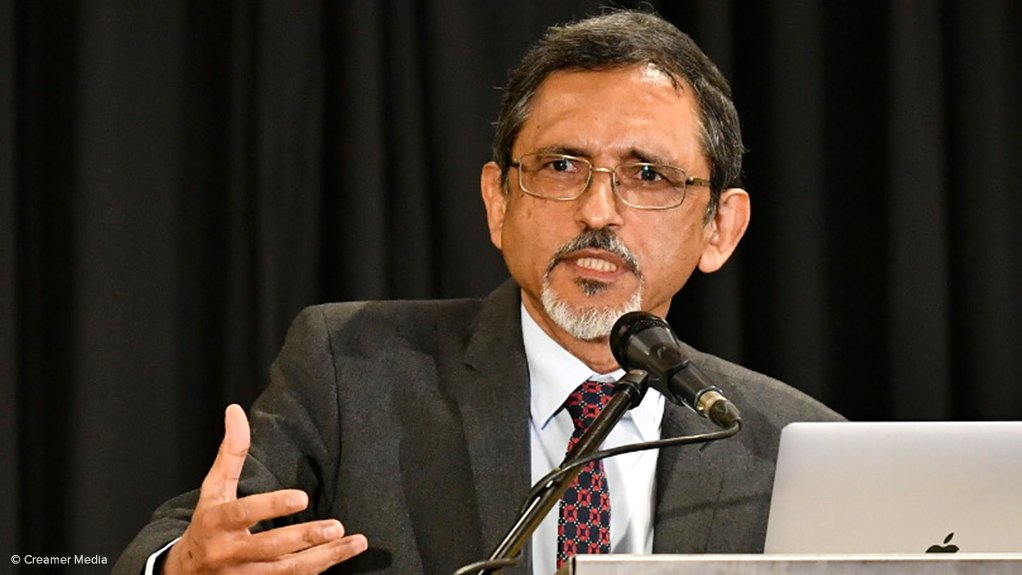
Trade, Industry and Competition Minister Ebrahim Patel
Photo by Creamer Media's Donna Slater
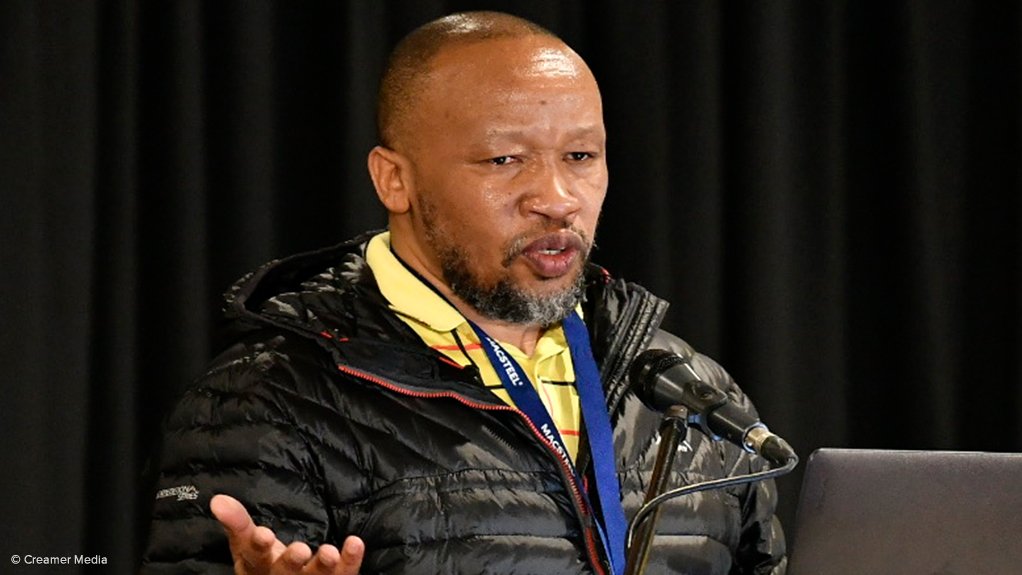
National Union of Metalworkers general-secretary Irvin Jim
Photo by Creamer Media's Donna Slater




The “either or” narrative pitting accelerated infrastructure delivery against localisation has been challenged by Dr Bernie Fanaroff, who played a central role in the development of the Steel Master Plan, which identifies localisation as one of several instruments to be used to revive the embattled sector.
Speaking at a conference on the master plan hosted by the Steel and Engineering Industries Federation of Southern Africa, Fanaroff questioned the view emerging in some parts of government, business and academia that “localisation will add unnecessary costs, delays and quality issues” to the delivery of urgently needed infrastructure.
“It’s crucial that we have to tackle this issue head on.
I think it’s factually wrong and I think the argument depends on overgeneralisations,” Fanaroff said.
The former Square Kilometre Array Project Office director reflected on the localisation success of the Meerkat radio telescope, in the Karoo, which he said was highly regarded internationally and had been “designed and built by South African engineers, scientists and technicians”.
“If we can do that, we can do it with anything.”
Fanaroff called for far greater levels of transparency during the design phase of large infrastructure projects so as to allow the metals and other industries to gain insight into what was being proposed and to provide input on what could realistically be supplied locally.
“We need to look at what can be produced competitively rather than just repeating a mantra that local production is too expensive, doesn’t come on time, has quality problems and so on,” he said, cautioning that such an attitude would lead to a self- fulfilling prophecy.
He cautioned, though, that industry could not perceive localisation as a gift or as an invitation to charge exorbitant prices.
“It must be a way of stabilising the industry and incentivising industry to move to being more internationally competitive.”
Earlier, Trade, Industry and Competition Minister Ebrahim Patel had confirmed that government viewed localisation as one of the key levers for promoting industrialisation, which was one of the department’s three main priorities, the other being transformation and the building of a capable State.
Patel agreed that the infrastructure roll-out should be accelerated, but said that it was also crucial for increasing demand for manufactured inputs, including steel products.
He noted that the local content criterion had been integrated as a qualifying criterion for the latest independent power producer (IPP) bidding rounds, and highlighted the progress being made to increase local content in the automotive and rail sectors.
The Minister did not reflect, however, on the difficulties IPPs were having in securing local solar panels, with several renewables projects possibly not closing or having to do so at a far higher tariff unless they were able to secure a local-content exemption.
Patel also argued that the recent adverse Constitutional Court judgment in relation to the Preferential Procurement Policy Framework Act did not prevent organs of State from pursuing localisation, but rather that the National Treasury did not have the power to issue such regulation.
A Procurement Bill would be published for comment and Patel urged the steel industry to comment on how the State should use its “procurement muscle” to rebuild the industry.
National Union of Metalworkers general secretary Irvin Jim was more forceful, arguing that the participants to the Steel Master Plan should oppose any reversal to preferential procurement, which he described as an attack on local content and the manufacturing industry.
Article Enquiry
Email Article
Save Article
Feedback
To advertise email advertising@creamermedia.co.za or click here
Research Reports

Projects


Latest Multimedia


Latest News
Showroom

Sika South Africa is a trusted partner for the nation’s infrastructure, commercial, residential, and industrial sectors.
VISIT SHOWROOM
ECG provides specialised electrical engineering services to the Mining, Utilities, Materials Handling and Industrial industries, with extensive and...
VISIT SHOWROOM

Announcements
What's On
Subscribe to improve your user experience...
Option 1 (equivalent of R125 a month):
Receive a weekly copy of Creamer Media's Engineering News & Mining Weekly magazine
(print copy for those in South Africa and e-magazine for those outside of South Africa)
Receive daily email newsletters
Access to full search results
Access archive of magazine back copies
Access to Projects in Progress
Access to ONE Research Report of your choice in PDF format
Option 2 (equivalent of R375 a month):
All benefits from Option 1
PLUS
Access to Creamer Media's Research Channel Africa for ALL Research Reports, in PDF format, on various industrial and mining sectors
including Electricity; Water; Energy Transition; Hydrogen; Roads, Rail and Ports; Coal; Gold; Platinum; Battery Metals; etc.
Already a subscriber?
Forgotten your password?
Receive weekly copy of Creamer Media's Engineering News & Mining Weekly magazine (print copy for those in South Africa and e-magazine for those outside of South Africa)
➕
Recieve daily email newsletters
➕
Access to full search results
➕
Access archive of magazine back copies
➕
Access to Projects in Progress
➕
Access to ONE Research Report of your choice in PDF format
RESEARCH CHANNEL AFRICA
R4500 (equivalent of R375 a month)
SUBSCRIBEAll benefits from Option 1
➕
Access to Creamer Media's Research Channel Africa for ALL Research Reports on various industrial and mining sectors, in PDF format, including on:
Electricity
➕
Water
➕
Energy Transition
➕
Hydrogen
➕
Roads, Rail and Ports
➕
Coal
➕
Gold
➕
Platinum
➕
Battery Metals
➕
etc.
Receive all benefits from Option 1 or Option 2 delivered to numerous people at your company
➕
Multiple User names and Passwords for simultaneous log-ins
➕
Intranet integration access to all in your organisation

