



Eskom, Glencore strike confidential deal on governance of future coal relations


South African power utility Eskom has reached a confidential agreement with miners Glencore and Xstrata, which are in the process of merging, relating to a negotiation process to determine the State-owned company’s future relationship with the merged entity and has, therefore, withdrawn its Competition Tribunal intervention.
The tribunal convened on Friday to listen to the merits of Eskom's call for conditions to be placed on the merger.
These conditions, Eskom argued, were necessary to ensure that the new coal-mining entity did not use its new market power in a way that led to insecurity of coal supply and a migration in prices to an export-parity level.
But as the proceedings began, under the chairpersonship of Norman Manoim, lawyers representing both Eskom and the merging companies announced that pre-hearing discussions had resulted in an agreement on a separate, but confidential, negotiation process that would govern the future relationship.
Therefore, Eskom advocate Rafik Bhana confirmed that the utility would not be persisting with its intervention.
However, Competition Commission deputy commissioner Tembinkosi Bonakele said that, while the participants had every right to reach such an agreement, the commission was unhappy with the matter remaining entirely confidential.
He said Eskom’s intervention had raised expectations that the important matters raised regarding future coal supply and prices would be dealt with transparently by the competition authorities. There was, thus, an “obligation” to share at least part of the outcome with the public and the policymakers that had been engaged during the process.
In its own submission, which Bonakele presented to the tribunal, the commission concurred with Eskom that rising coal prices and the effect this could have on domestic electricity prices was cause for concern.
However, it said it did not believe that specific coal-pricing conditions should be placed on the proposed merger between Glencore and Xstrata to curtail future prices rises, as the merged entity would have no additional power to export coal than was the case currently.
Instead, the remedies lay in the enforcement of existing provisions in the mining rights granted to the companies, which stipulated that the coal be disposed of at market prices and demanded that these be non-discriminatory or non-export parity prices.
In addition, the Mineral Resources Minister had the authority to prescribe measures, or incentives to support local mineral beneficiation.
As with the Eskom intervention, a settlement was also reached with the National Union of Mineworkers (NUM) regarding possible retrenchments arising from the merger.
In its merger notification to the South African competition authorities on March 26, 2012, the two companies indicated that 180 retrenchments were likely. Of those, 100 were unskilled or semiskilled jobs, potentially affecting NUM members.
However, a settlement was reached involving a 90-day review of the affected positions in a bid to mitigate job losses.
In a joint media statement, Eskom and Glencore said the “agreement establishes a framework within which the two companies will cooperate with each other on a mutually beneficial basis and govern the interaction between them regarding existing and future coal supply agreements”.
Eskom indicated that it was satisfied that its concerns surrounding the potential negative impacts of the merger on its business would be addressed through the framework provided by the memorandum of understanding.
Manoim indicated that it had been agreed that the terms of the agreement would remain confidential.
The tribunal would issue an order on the proposed merger on January 22, at 10:00.
Article Enquiry
Email Article
Save Article
Feedback
To advertise email advertising@creamermedia.co.za or click here
Research Reports

Projects
Latest Multimedia
Latest News
Showroom
Established in 1983, the ASTPM is an industry association and representative body of the welded carbon steel tube and pipe manufacturers of South...
VISIT SHOWROOM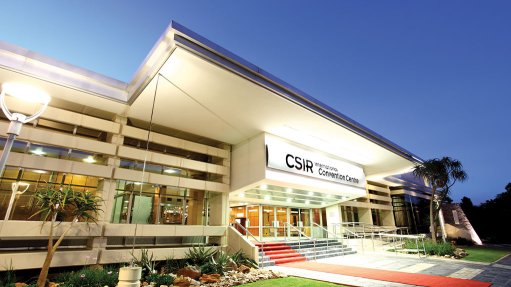
CSIR International Convention Centre (CSIR ICC) - the leading conference and events venue in Pretoria/Tshwane.
VISIT SHOWROOM
Announcements
What's On
Subscribe to improve your user experience...
Option 1 (equivalent of R125 a month):
Receive a weekly copy of Creamer Media's Engineering News & Mining Weekly magazine
(print copy for those in South Africa and e-magazine for those outside of South Africa)
Receive daily email newsletters
Access to full search results
Access archive of magazine back copies
Access to Projects in Progress
Access to ONE Research Report of your choice in PDF format
Option 2 (equivalent of R375 a month):
All benefits from Option 1
PLUS
Access to Creamer Media's Research Channel Africa for ALL Research Reports, in PDF format, on various industrial and mining sectors
including Electricity; Water; Energy Transition; Hydrogen; Roads, Rail and Ports; Coal; Gold; Platinum; Battery Metals; etc.
Already a subscriber?
Forgotten your password?
Receive weekly copy of Creamer Media's Engineering News & Mining Weekly magazine (print copy for those in South Africa and e-magazine for those outside of South Africa)
➕
Recieve daily email newsletters
➕
Access to full search results
➕
Access archive of magazine back copies
➕
Access to Projects in Progress
➕
Access to ONE Research Report of your choice in PDF format
RESEARCH CHANNEL AFRICA
R4500 (equivalent of R375 a month)
SUBSCRIBEAll benefits from Option 1
➕
Access to Creamer Media's Research Channel Africa for ALL Research Reports on various industrial and mining sectors, in PDF format, including on:
Electricity
➕
Water
➕
Energy Transition
➕
Hydrogen
➕
Roads, Rail and Ports
➕
Coal
➕
Gold
➕
Platinum
➕
Battery Metals
➕
etc.
Receive all benefits from Option 1 or Option 2 delivered to numerous people at your company
➕
Multiple User names and Passwords for simultaneous log-ins
➕
Intranet integration access to all in your organisation

