



Energy regulation and democracy

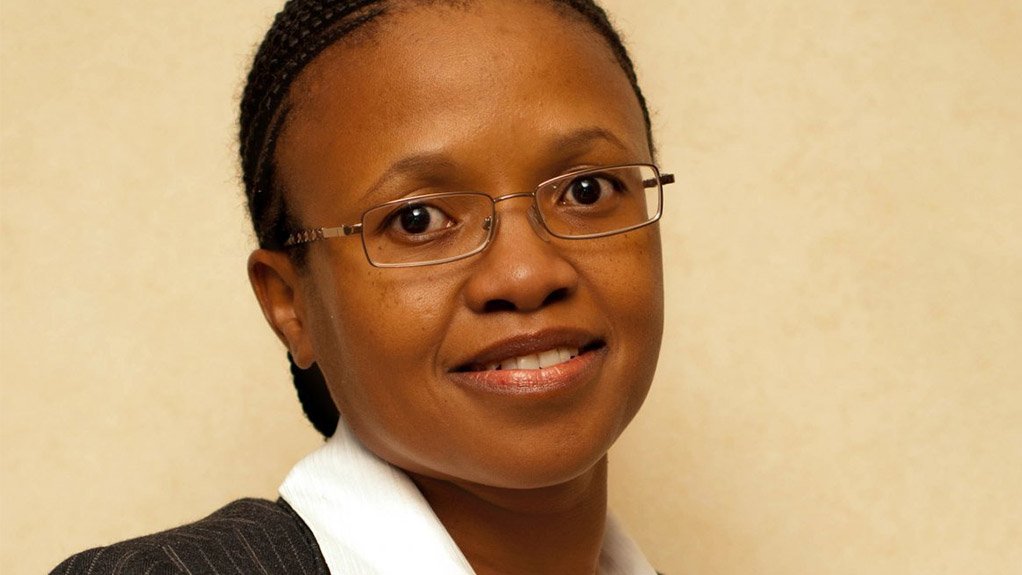



The National Energy Regulator of South Africa (Nersa) has made significant strides in engaging with the challenges of regulating the electricity, piped-gas and petroleum pipelines markets since its establishment on October 1, 2005. I am particularly pleased with the progress that we have made in the development, refinement and implementation of regulatory methodologies, processes and procedures, as well as systems, to ensure that we deliver on our mandate.
We have adopted seven internationally accepted regulatory principles to underpin our regulatory approach, which are transparency, neutrality, consistency and predictability, independence, accountability, integrity and efficiency. We are proud of our regulatory reporting manuals and systems that have been rolled out to all regulated industry players.
Nersa is a key enabler in advancing economic growth and social development within South Africa. Energy forms the backbone of the South African economy, not only from a growth point of view but also in terms of job creation and social upliftment.
We are acutely aware that while Nersa’s mandate is derived from legislation governing and prescribing its role and functions, the performance and, consequently, the relevance of Nersa must be informed by the tangible impact, benefits and meaningfulness of its work for the citizens of our country. Our responsibility was mainly discharged through licensing, setting or approving of prices and tariffs, compliance monitoring and enforcement, as well as dispute resolution, in the electricity, piped-gas and petroleum pipelines industries respectively.
We have regulated in a manner that has enabled the electrification programme to be funded. We have also introduced inclining block tariffs to ensure the protection of low- income communities. We have, through regu- lation, facilitated the construction of power stations, pipelines and storage facilities to ensure continued access and security of supply in the country.
The emphasis on the protection of the envi- ronment and cleaner, resource-efficient production has grown. The introduction of about 3000 MW of renewable energy and a number of independent power producers into the electricity supply to facilitate the diversification of the country’s energy sources is also a notable advancement.
The agreement concerning the Mozambique gas pipeline between the government of the Republic of South Africa and Sasol and the Regulatory Agreement between the Minister of Energy, the Minister of Trade and Industry and Sasol expired on March 25, 2014. The expiry of the agreement paves the way for a new regulatory regime in which all licensees will be subjected to the same regulatory provisions as primarily set out in the Gas Act, 2001. In particular, Nersa will exercise its regulatory powers of approving maximum gas prices for all licensees.
Nersa also regis- tered operations related to the production or importation of gas, the transmission of gas for own use and small biogas projects located in rural areas. These operations will add impetus to the growth of the gas industry, particularly in terms of new technologies that allow for sustained self-generation of alternative energy sources by rural communities at afford- able costs. The growth of these operations also presents opportunities to alleviate the heavy demand currently placed on the national electricity grid.
There is ownership restructuring and significant increased interest from independent, nonvertically integrated petroleum storage companies. Such new entrants have risk pro- files different from those Nersa has been regulating to date and expectations of much higher returns.
Our vision is to be a world-class leader in energy regulation. Nersa will continue to ensure that the regulation of the country’s electricity, piped-gas and petroleum pipelines industries takes place in a manner that contributes to economic growth and social development. We have identified five strategic outcome-orientated goals that are derived from our mandate and also incorporate the 12 national outcomes set by government as policy objectives.
Article Enquiry
Email Article
Save Article
Feedback
To advertise email advertising@creamermedia.co.za or click here
Research Reports

Projects

Latest Multimedia
Latest News
Showroom
Sika South Africa is a trusted partner for the nation’s infrastructure, commercial, residential, and industrial sectors.
VISIT SHOWROOM
ECG provides specialised electrical engineering services to the Mining, Utilities, Materials Handling and Industrial industries, with extensive and...
VISIT SHOWROOM
Announcements
What's On
Subscribe to improve your user experience...
Option 1 (equivalent of R125 a month):
Receive a weekly copy of Creamer Media's Engineering News & Mining Weekly magazine
(print copy for those in South Africa and e-magazine for those outside of South Africa)
Receive daily email newsletters
Access to full search results
Access archive of magazine back copies
Access to Projects in Progress
Access to ONE Research Report of your choice in PDF format
Option 2 (equivalent of R375 a month):
All benefits from Option 1
PLUS
Access to Creamer Media's Research Channel Africa for ALL Research Reports, in PDF format, on various industrial and mining sectors
including Electricity; Water; Energy Transition; Hydrogen; Roads, Rail and Ports; Coal; Gold; Platinum; Battery Metals; etc.
Already a subscriber?
Forgotten your password?
Receive weekly copy of Creamer Media's Engineering News & Mining Weekly magazine (print copy for those in South Africa and e-magazine for those outside of South Africa)
➕
Recieve daily email newsletters
➕
Access to full search results
➕
Access archive of magazine back copies
➕
Access to Projects in Progress
➕
Access to ONE Research Report of your choice in PDF format
RESEARCH CHANNEL AFRICA
R4500 (equivalent of R375 a month)
SUBSCRIBEAll benefits from Option 1
➕
Access to Creamer Media's Research Channel Africa for ALL Research Reports on various industrial and mining sectors, in PDF format, including on:
Electricity
➕
Water
➕
Energy Transition
➕
Hydrogen
➕
Roads, Rail and Ports
➕
Coal
➕
Gold
➕
Platinum
➕
Battery Metals
➕
etc.
Receive all benefits from Option 1 or Option 2 delivered to numerous people at your company
➕
Multiple User names and Passwords for simultaneous log-ins
➕
Intranet integration access to all in your organisation

