



South African gold technology in spotlight at China conference

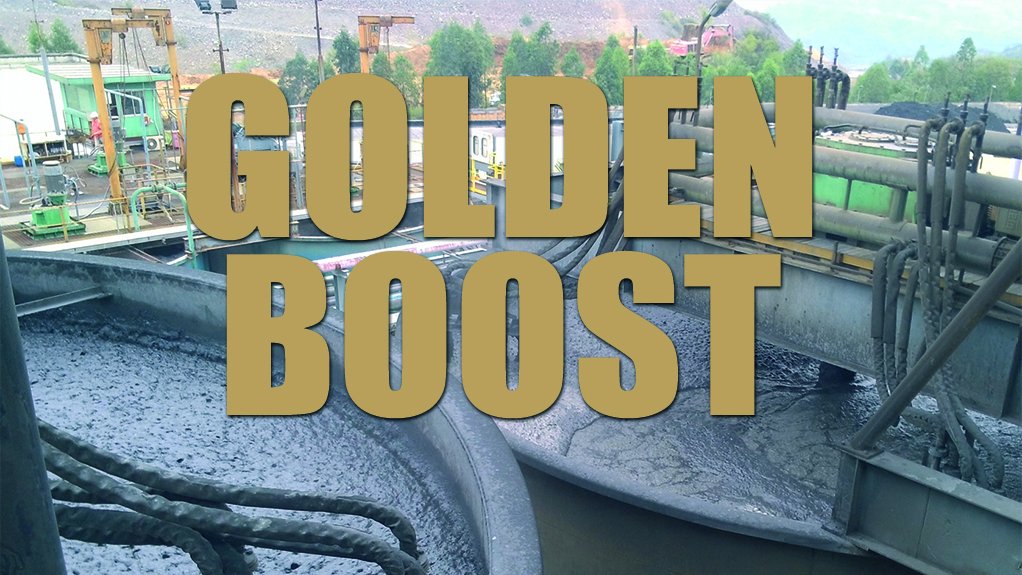
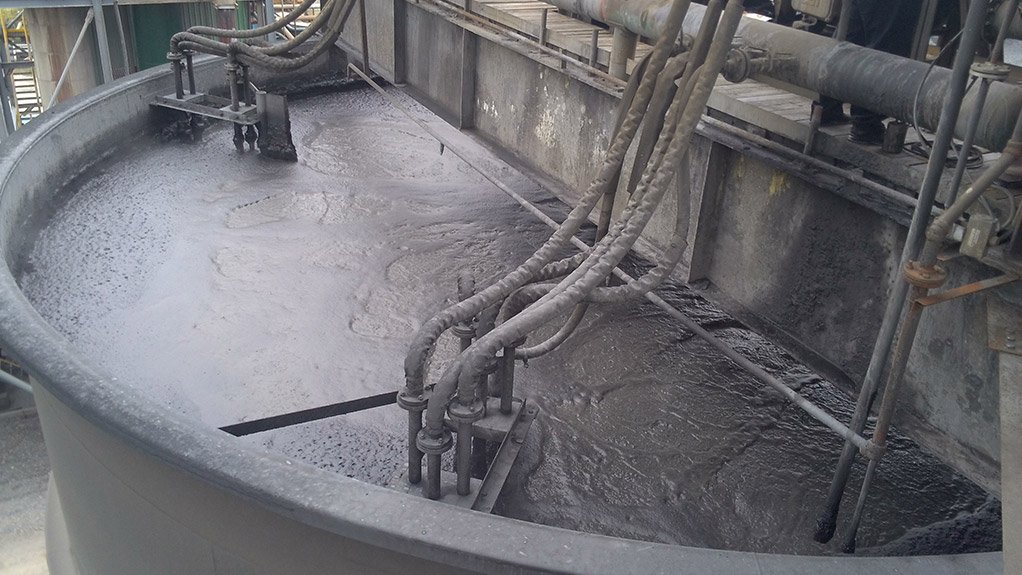
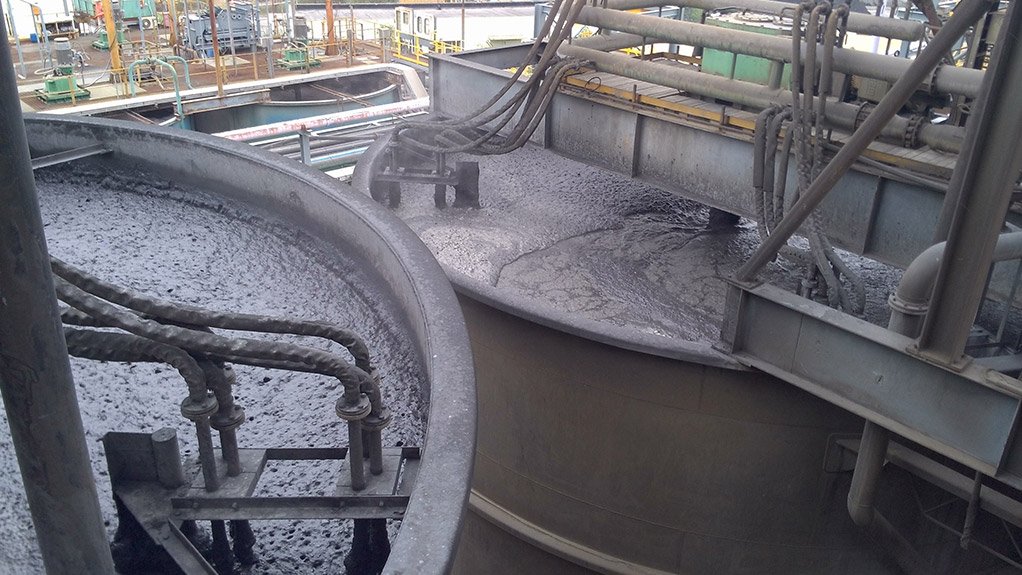
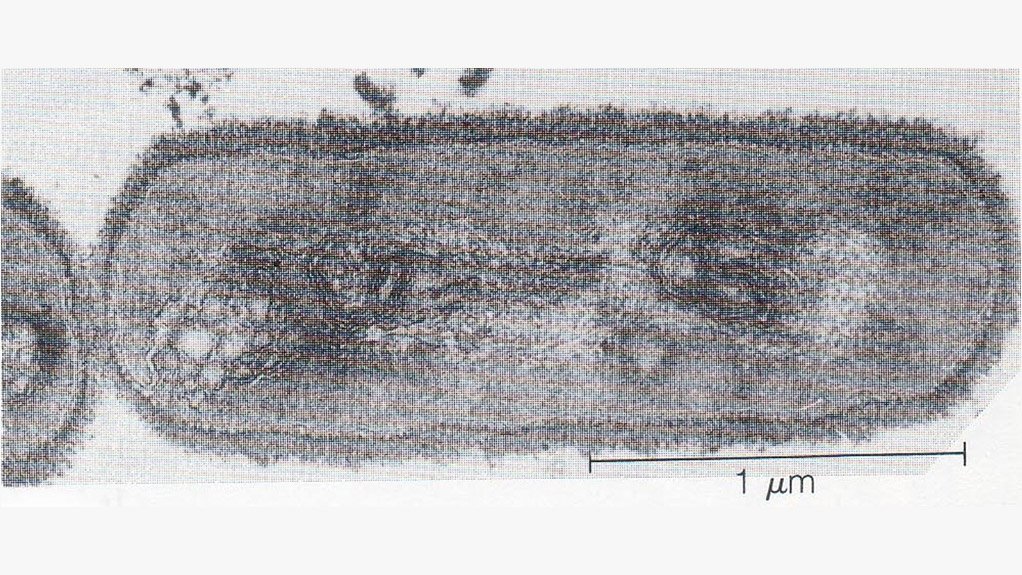
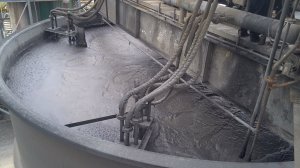
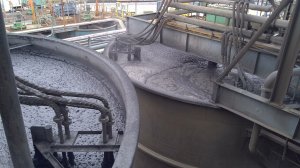
Image of two of Jinfeng processing plant’s Biox reactors
Photo by Schalk Burger
Photo by Schalk Burger
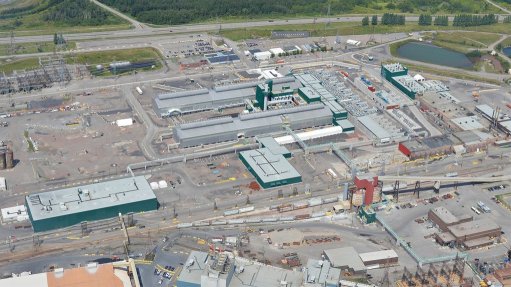
JINFENG PROCESSING PLANT Biox is used in six countries as an alternative to more energy intensive oxidation processes
Photo by Schalk Burger
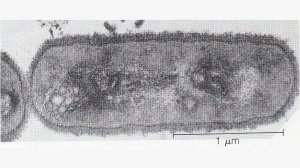
BACTERIUM A photo of a bacterium shows its minuscule size and internal organelles



Improvements to the biological oxidation (Biox) process, which reduces the consumption of reagents and energy costs and improves yields, as well as the fundamental research being done to improve the process, came under the spotlight during the tenth user conference of Biox services company Biomin, held in China’s Guizhou province last month.
Biox users received an update on the progress that the company is making in improvements to components and the Biox process, while the conference saw the launch of a new conditioning process to improve the gold leaching of double refractory ores.
Biomin also provided details of the research and testwork being done to characterise changes in the microbial communities and species used for Biox, which may enable users to operate Biox processes at higher temperatures or for specific ore types.
“The scientific understanding of the interactions and collective effects of microbes in communities is continually refined to enable robust commercial processes using Biox cultures,” says Biomin MD Jan van Niekerk.
“Our goal is to improve the yields that our users are able to achieve and to add value to their processes by fostering closer relationships so that we can react quickly to their process queries or concerns,” he notes.
He also says that Biomin has recognised the importance of new technologies in the Biox process.
“Our research and development aims to improve the efficiency of the process and to have an economic impact on users’ operations. We aim to increase the value gained by Biox users through close business relationships and advice for each user,” he says.
At the conference in November, attended by Mining Weekly, users highlighted the need to reduce the energy used to cool the Biox process and reduce the reagent use and costs. Biomin has eight users operating in Kazakhstan, Uzbekistan, Australia, South Africa, Ghana and China.
Biomin has resolved some of these concerns, especially problems concerning mechanical components. It is investing significant time in research and testwork to improve the performance of the microbial communities and to be more robust to changes in ore characteristics and temperature. The company also aims to provide users with information that will assist in understanding how different changes will affect the oxidation performance by microbial communities in their reactors, says Van Niekerk.
Collaboration Key
There is significant potential for Biox users to collaborate, enabling the rapid development of better and more robust microbial communities through the sharing of information and samples of the microbes in their reactors with Biomin researchers, avers Biomin projects manager Wallies Olivier.
“Our discovery of the changes to Biox microbial communities is the result of users sharing their experiences with us. While microbial communities are adapted to the conditions at each plant, we can use detailed information shared by users on the conditions and characteristics of their Biox processes to improve the processes and make them more suitable for the conditions at each plant,” he says.
The company has launched a user forum on its website, where users can log in securely and communicate confidential information. This will enable Biomin to improve its processes and research, as the information may contribute to the company being able to model microbial processes to design communities that meet the requirements of each plant, says Van Niekerk.
Biomin has also changed the operating guidelines of its Biox process to function effectively at temperatures up to 45 ºC as a result of microbial adaptation, user inputs and continuous testing and characterisation work, confirms Biomin process manager Craig van Buuren.
“Higher temperatures in the reactors reduce the consumption of cyanide and cooling – hence, a reduction in operating costs,” he says.
Biomin has also completed pilot trials of its new microbial culture and will conduct further trials in a much larger trial reactor, where it will analyse the performance of the new culture before conducting an industrial-scale trial, he adds.
Adaptation
“The original Biox cultures were mesophillic, but users, as a result of continuously optimising the process as part of long-term operations, have managed to sustain operations at higher temperatures. This means the Biox communities of microbes are currently mostly moderate thermophile species – or moderate-temperature loving,” explains Biomin fundamental researcher and University of Cape Town Centre for Bioprocess Engineering Research senior researcher Dr Rob van Hille.
Bacteria and archaea, a class of microorga- nisms that are among the earliest organisms to have existed on earth, can gradually adapt to changing conditions and other species become predominant in microbial communities as environmental conditions change.
“Some genes can move from one species to another, a property found in microorganisms, enabling species to gain some of the resistances to chemical conditions that others have. This was demonstrated in the original Biox species, some of which gradually gained increased tolerance to arsenic in the tanks that other species tolerated more readily,” he says.
Biomin also announced at the China con- ference that it is conducting research and testwork to characterise and develop a new high-temperature Biox microbial culture.
Higher temperatures are beneficial for chemi- cal kinetics and to reduce the consumption of reagents, but microbes are sensitive to sudden changes in the temperature and pH of their environment. The chemical reactions that take place in the reactors are exothermic, and these increase the temperature in the reactors if they are not cooled.
Further, the various optimum operating temperatures of the different species are often only marginally lower than the temperatures at which their biological functions decrease dramatically, making the collective optimisation of microbial communities complex, requiring significant fundamental research and stringent testing protocols prior to commercialisation, notes Van Hille.
The symbiotic relationships between various species must also be determined so that microbial communities can be constituted to meet the chemical requirements of various reactions, which are influenced by the mineralogy of the ore bodies, before being deployed as a reliable commercial product.
Research and Evolution
Researchers have significant and powerful tools to characterise and determine the biological functions of the different species and to match these with the requirements of various chemi- cal reactions used for mineral processing, says Van Hille.
For example, the polymerase chain reaction (PCR) technique isolates deoxyribonucleic acid (DNA) sequences to enable the identification of various species in a microbial community. A quantitative PCR enables researchers to deter- mine the relative quantities of various species in a community, enabling them to analyse the structures of the communities to determine the effects of the community structure on the performance of the overall microbial community.
Moreover, by identifying the genes present in different species, researchers can determine which proteins, specifically enzymes, each species can produce, which, in turn, enables them to determine which reactions the microbes are able to catalyse. This should, eventually, enable researchers to select suitable microbes to design a community that will meet process requirements and mineral characteristics.
In future, microbiologists may be able to genetically engineer species that can synthesise the proteins required to catalyse the reactions required by a process.
Future Process Microbes
Meanwhile, some species of archaea, called thermophiles because they survive in high- temperature and acidic environments, may enable Biox to function at much higher tempera- tures, above 60 ºC and potentially up to 70 ºC.
Archaea lack the rigid cell wall that bacteria have, making them more susceptible to shear stress in agitated reactors and possibly limiting pulp densities to below 20%. However, their unique membrane structure and more stable DNA contribute to their ability to function at high temperatures, opening exciting possibili- ties for process optimisation.
The archaea in the current Biox culture are smaller than bacteria and difficult to isolate into pure cultures, which made them difficult to study prior to modern molecular biology and bioinformatics techniques developed in recent years, so their contribution may have been previously underestimated, says Van Hille.
“Biomin is supporting ongoing and detailed research into our processes and we aim to provide more in-depth process advice to users to enable them to determine how best to operate their Biox reactors for their particular conditions. We have improved our understanding of microbes and can provide cultures that function at higher temperatures than the original Biox cultures,” says Olivier.
Biomin became an independent company in May and is aiming to grow its presence in North and South America, while improving and broadening the services and products that it offers to existing clients, concludes Van Niekerk.
Article Enquiry
Email Article
Save Article
Feedback
To advertise email advertising@creamermedia.co.za or click here
Research Reports

Projects
Latest Multimedia
Latest News
Showroom

Virtual Gas Network supplies compressed natural gas via a virtual gas distribution network.
VISIT SHOWROOM
Your global lifecycle technology & service partner for materials & minerals processing equipment for coal, iron ore, copper, manganese & other...
VISIT SHOWROOM

Announcements
What's On
Subscribe to improve your user experience...
Option 1 (equivalent of R125 a month):
Receive a weekly copy of Creamer Media's Engineering News & Mining Weekly magazine
(print copy for those in South Africa and e-magazine for those outside of South Africa)
Receive daily email newsletters
Access to full search results
Access archive of magazine back copies
Access to Projects in Progress
Access to ONE Research Report of your choice in PDF format
Option 2 (equivalent of R375 a month):
All benefits from Option 1
PLUS
Access to Creamer Media's Research Channel Africa for ALL Research Reports, in PDF format, on various industrial and mining sectors
including Electricity; Water; Energy Transition; Hydrogen; Roads, Rail and Ports; Coal; Gold; Platinum; Battery Metals; etc.
Already a subscriber?
Forgotten your password?
Receive weekly copy of Creamer Media's Engineering News & Mining Weekly magazine (print copy for those in South Africa and e-magazine for those outside of South Africa)
➕
Recieve daily email newsletters
➕
Access to full search results
➕
Access archive of magazine back copies
➕
Access to Projects in Progress
➕
Access to ONE Research Report of your choice in PDF format
RESEARCH CHANNEL AFRICA
R4500 (equivalent of R375 a month)
SUBSCRIBEAll benefits from Option 1
➕
Access to Creamer Media's Research Channel Africa for ALL Research Reports on various industrial and mining sectors, in PDF format, including on:
Electricity
➕
Water
➕
Energy Transition
➕
Hydrogen
➕
Roads, Rail and Ports
➕
Coal
➕
Gold
➕
Platinum
➕
Battery Metals
➕
etc.
Receive all benefits from Option 1 or Option 2 delivered to numerous people at your company
➕
Multiple User names and Passwords for simultaneous log-ins
➕
Intranet integration access to all in your organisation

