Weba Chute Systems Positions Transfer Points As Critical Drivers Of Plant Performance

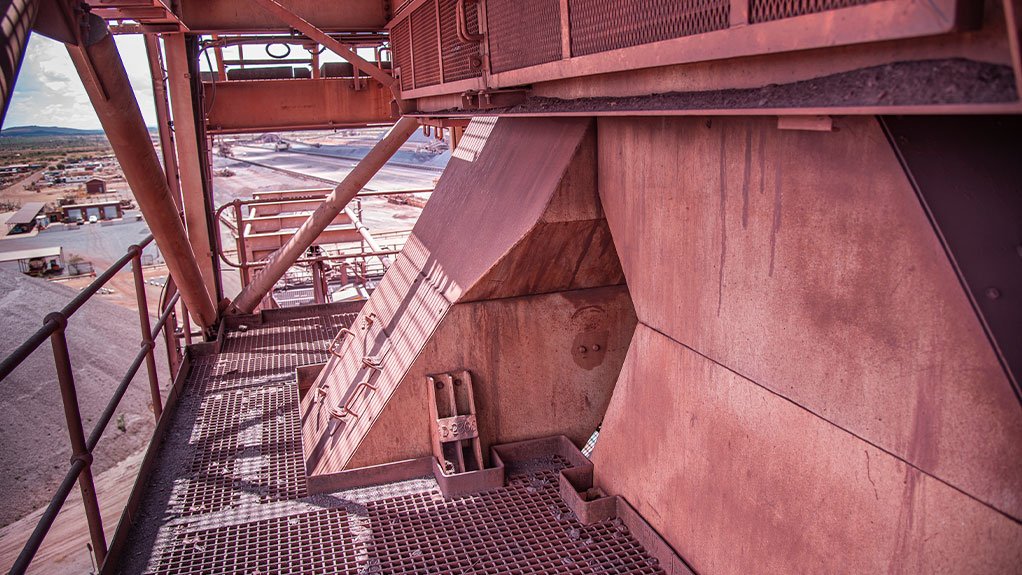
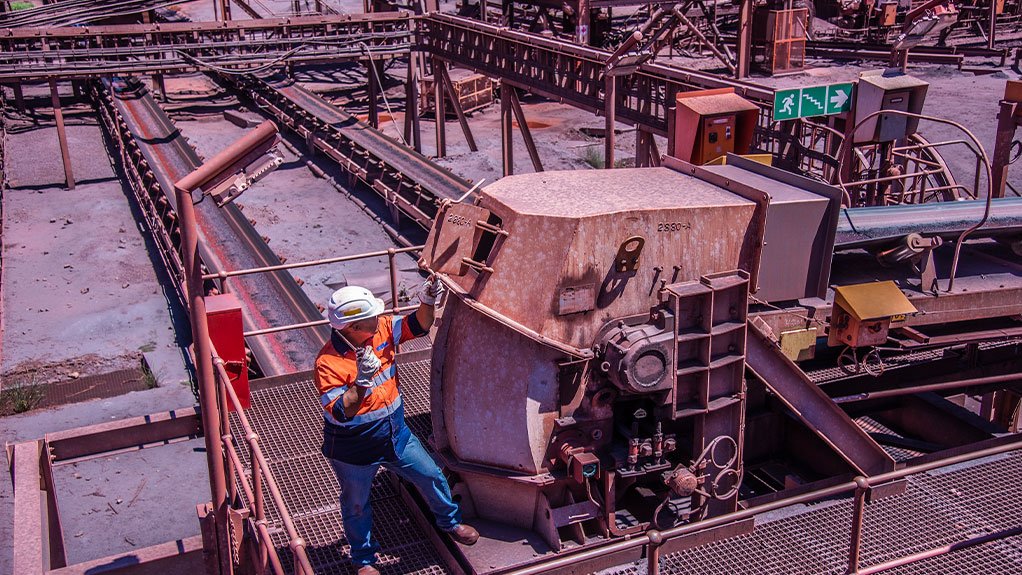
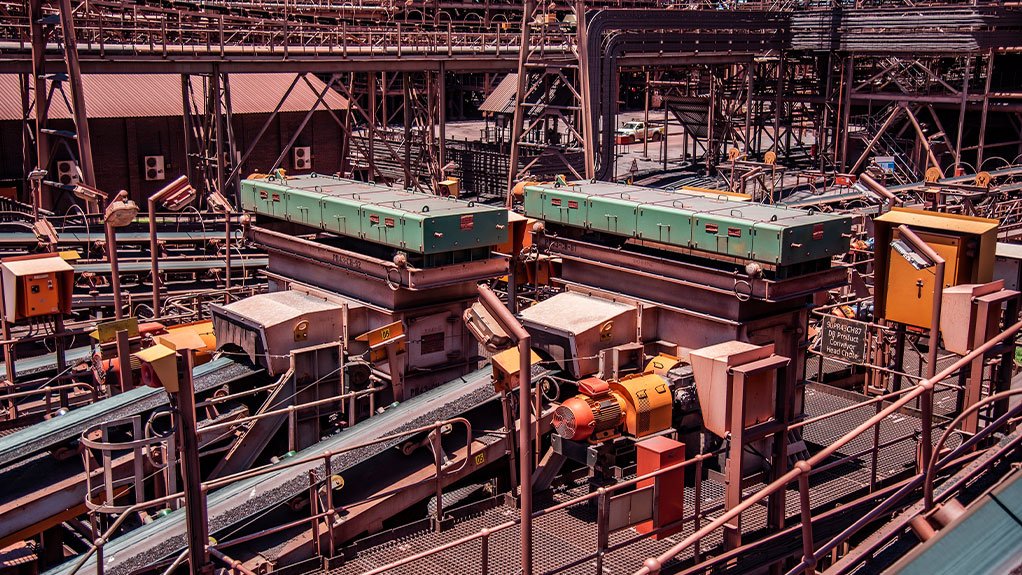
A Weba Chute Systems bifurcated transfer chute controls material flow and optimises distribution at a Northern Cape iron ore mine
A Weba Chute Systems head chute ensures efficient material transfer while reducing wear and spillage
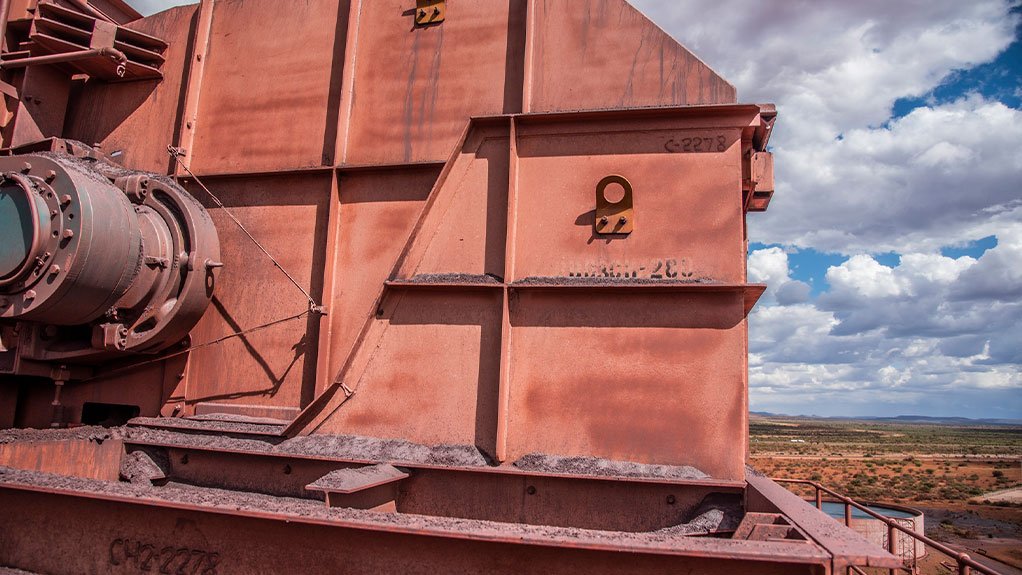
A Weba Chute Systems transfer chute inspection highlights the importance of controlled material flow for reliable plant performance
A Weba Chute Systems conveyor transfer chute improves material flow, belt loading and plant efficiency
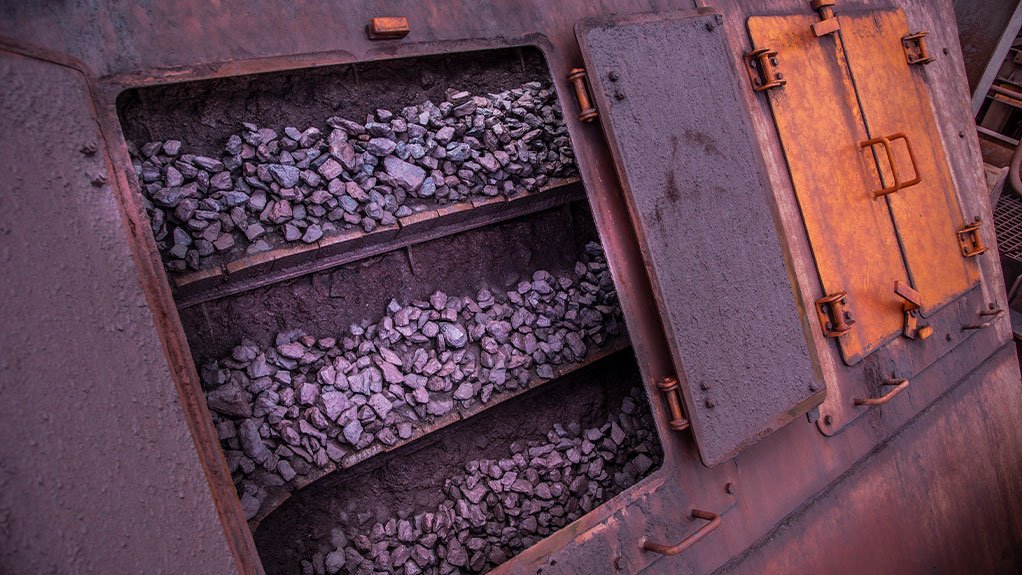
Routine inspection of a Weba Chute Systems bucket elevator chute supports reliable material transfer and operational performance
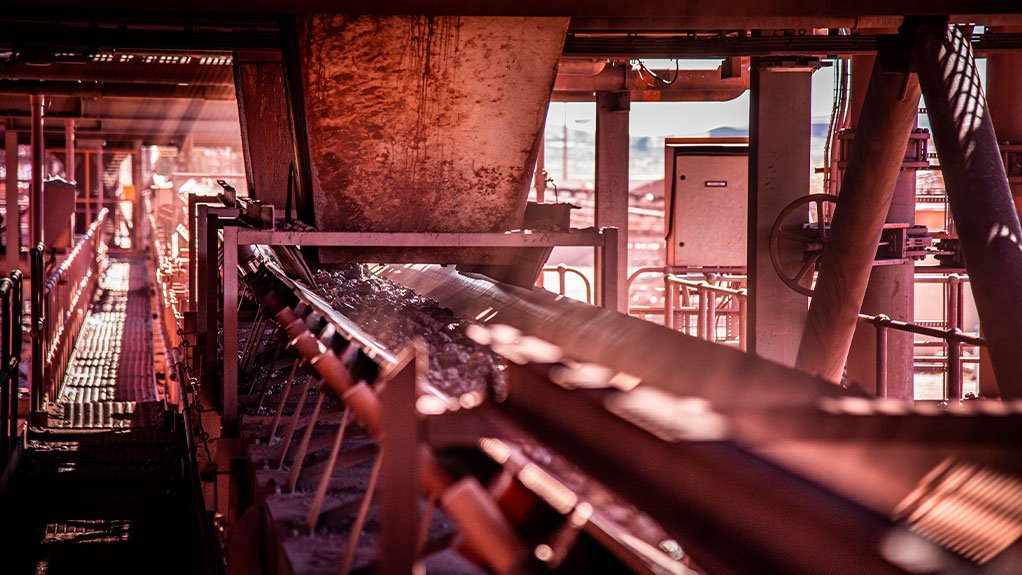
Weba Chute Systems sampler chutes enable accurate material sampling while maintaining controlled material flow








This article has been supplied.
As mining operations across Africa place increasing pressure on throughput, uptime and operational efficiency, transfer points are emerging as strategic process assets rather than simple material handling structures. According to Weba Chute Systems, modern mines are increasingly recognising that poorly designed transfer points can negatively impact the performance of the entire processing plant, from conveyors and crushers through to screens and downstream material handling systems.
Dewald Tintinger, Technical Director at Weba Chute Systems says this shift is driving growing demand for engineered transfer point solutions that focus not only on moving material, but on controlling flow behaviour to improve process stability, reduce wear and minimise operational disruption.
“Transfer points have historically been viewed as static steel structures whose primary purpose was simply to move material from one conveyor to another,” Tintinger says. “Today, mines are approaching chute design very differently. They understand that the way material flows through a transfer point has a direct influence on belt tracking, spillage, dust generation, equipment wear, maintenance requirements and ultimately plant availability.”
According to Tintinger, increasing plant throughputs, more abrasive ore bodies and the need for continuous operational efficiency are exposing the limitations of conventional chute designs. “Uncontrolled material flow can lead to excessive turbulence, uneven loading, accelerated wear, belt mistracking and blockages, all of which contribute to unplanned downtime and rising operating costs,” he explains.
As a result, mining operations are increasingly focusing on transfer point optimisation as part of broader plant performance improvement strategies.
Tintinger notes that effective transfer point engineering requires a holistic understanding of the entire materials handling system. Rather than viewing the chute in isolation, Weba Chute Systems focuses on how the transfer point interacts with upstream and downstream equipment including crushers, screens, feeders and conveyor systems.
“The transfer point influences far more than many operators realise,” he continues. “Poor flow characteristics at a chute can create instability throughout the plant. Conversely, when material flow is properly controlled, the benefits are seen across the entire system through improved conveyor loading, reduced spillage, lower maintenance requirements and more stable downstream performance.”
Engineered transfer points are also playing an increasingly important role in helping mines address safety and environmental objectives. By controlling material trajectories and reducing turbulence within the chute, operations are able to significantly reduce dust generation and material spillage at source. This improves housekeeping, enhances workplace safety and reduces the need for ongoing cleanup and maintenance interventions.
Each transfer point application requires careful evaluation of material characteristics, moisture content, throughput requirements, particle size distribution and plant layout to ensure optimal performance. This, says Tintinger, has led to greater use of advanced design methodologies and flow analysis techniques to better understand material behaviour under operating conditions.
In many cases, mines are also turning to retrofit projects to improve the performance of existing transfer points rather than replacing entire conveying systems. These upgrades can deliver substantial operational improvements by addressing persistent issues such as belt mistracking, excessive wear, material buildup and poor flow control.
“The growing recognition of transfer points as critical process components reflects a broader shift within mining towards integrated system optimisation and lifecycle performance management and as mines continue to focus on operational efficiency, every component within the process plant is coming under greater scrutiny,” Tintinger concludes. “Transfer points are no longer secondary infrastructure. They are increasingly recognised as engineered flow-control systems that can either support or hinder the performance of the entire operation.”
Article Enquiry
Email Article
Save Article
Feedback
To advertise email advertising@creamermedia.co.za or click here
Research Reports


Projects


Latest Multimedia


Latest News
Showroom

We supply customers with practical affordable solutions for their testing needs. Our products include benchtop, portable, in-line process control...
VISIT SHOWROOM
Columbus Stainless, based in Middelburg, Mpumalanga, is Africa’s only producer of stainless steel flat products. In addition, Columbus is the only...
VISIT SHOWROOM


Announcements
What's On
Subscribe to improve your user experience...
Option 1 (equivalent of R125 a month):
Receive a weekly copy of Creamer Media's Engineering News & Mining Weekly magazine
(print copy for those in South Africa and e-magazine for those outside of South Africa)
Receive daily email newsletters
Access to full search results
Access archive of magazine back copies
Access to Projects in Progress
Access to ONE Research Report of your choice in PDF format
Option 2 (equivalent of R375 a month):
All benefits from Option 1
PLUS
Access to Creamer Media's Research Channel Africa for ALL Research Reports, in PDF format, on various industrial and mining sectors
including Electricity; Water; Energy Transition; Hydrogen; Roads, Rail and Ports; Coal; Gold; Platinum; Battery Metals; etc.
Already a subscriber?
Forgotten your password?
Receive weekly copy of Creamer Media's Engineering News & Mining Weekly magazine (print copy for those in South Africa and e-magazine for those outside of South Africa)
➕
Recieve daily email newsletters
➕
Access to full search results
➕
Access archive of magazine back copies
➕
Access to Projects in Progress
➕
Access to ONE Research Report of your choice in PDF format
RESEARCH CHANNEL AFRICA
R4500 (equivalent of R375 a month)
SUBSCRIBEAll benefits from Option 1
➕
Access to Creamer Media's Research Channel Africa for ALL Research Reports on various industrial and mining sectors, in PDF format, including on:
Electricity
➕
Water
➕
Energy Transition
➕
Hydrogen
➕
Roads, Rail and Ports
➕
Coal
➕
Gold
➕
Platinum
➕
Battery Metals
➕
etc.
Receive all benefits from Option 1 or Option 2 delivered to numerous people at your company
➕
Multiple User names and Passwords for simultaneous log-ins
➕
Intranet integration access to all in your organisation