



Wastewater plants flagged as AMR gene reservoirs

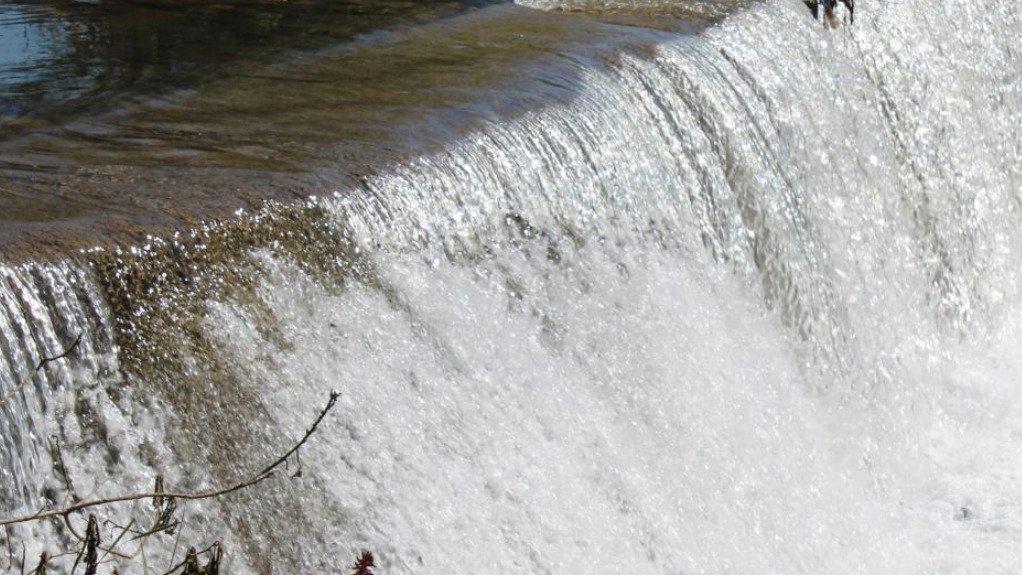
RESISTANCE RISK Researchers warn that wastewater treatment plants may enable the spread of antibiotic resistance genes into rivers and the wider environment



There is increased evidence that extracellular DNA (exDNA) - genetic material released from bacteria killed during the water treatment process – may act as a previously underappreciated reservoir of antibiotic resistance, say researchers from Stellenbosch University.
This has raised fresh concerns about how antimicrobial resistance (AMR) moves through ecosystems and into human populations.
AMR refers to the ability of disease-causing microbes to withstand medical treatment.
Antibiotic resistance – a type of AMR – occurs when bacteria no longer respond to antibiotics. If current trends continue, estimates suggest that by 2050, deaths from AMR will rise to about 10-million people globally each year.
The study investigated how AMR genes behave in wastewater treatment plants and rivers in a large urban city.
Medical microbiologist and first author Dr John Paul Makumbi says AMR in the environment occurs naturally as bacteria continue to evolve to protect themselves against harmful pathogens and other pollutants.
In the context of wastewater treatment plants, however, this natural process accelerates, overexposing bacteria to a “toxic melting pot” of untreated effluent from abattoirs, hospitals and industry, mixed with raw sewage and other pollutants.
Moreover, while older treatment plants were designed to remove harmful chemicals and kill bacteria, they were not designed to remove exDNA.
Owing to the lack of such studies in Africa, Makumbi and his co-authors conducted a microbiome study to get a sense of what is happening at wastewater treatment plants and connected river systems in South Africa.
From samples taken from nine wastewater treatment plants and connected river systems in Tshwane, they found evidence of genetic material from two major bacterial groups that survived the treatment process typically used in wastewater treatment plants. Both the pseudomonadota and bacteroidota groups are commonly associated with multi- drug-resistant behaviour.
“[While] the bacteria themselves are killed, we found exDNA carrying resistant genes in the effluent. These genes could still be transmitted and shared with other bacteria in the environment, continuing the cycle of antibiotic resistance,” he explains.
In essence, wastewater treatment plants may serve as ecological “superspreaders” of exDNA-mediated AMR, thereby shaping the genetic landscape of freshwater environments.
Further, while some wastewater treatment plants are being upgraded with advanced technologies such as UV treatment to reduce AMR genes, progress remains slow.
“If we want to protect our waterways and public health, and contain the spread of superbugs in the environment, we need to protect and upgrade wastewater treatment plants. We should [pre-treat] effluent from high-risk sources such as abattoirs, hospitals and industry before it enters the system. The same logic holds for treating effluent before it hits the environment.”
The findings were published in Cell Reports in an article titled “Persistence of high-risk antimicrobial resistance genes in extracellular DNA along an urban waste-water-river continuum”.
Article Enquiry
Email Article
Save Article
Feedback
To advertise email advertising@creamermedia.co.za or click here
Research Reports

Projects
Latest Multimedia

Latest News
Showroom

Sulzer South Africa, established in 1922, partners with critical industries like power, oil & gas, water, mining, and chemicals to boost...
VISIT SHOWROOM
The Aluminium Federation of South Africa (AFSA), is the voice of the South African aluminium industry.
VISIT SHOWROOM
Announcements
What's On
Subscribe to improve your user experience...
Option 1 (equivalent of R125 a month):
Receive a weekly copy of Creamer Media's Engineering News & Mining Weekly magazine
(print copy for those in South Africa and e-magazine for those outside of South Africa)
Receive daily email newsletters
Access to full search results
Access archive of magazine back copies
Access to Projects in Progress
Access to ONE Research Report of your choice in PDF format
Option 2 (equivalent of R375 a month):
All benefits from Option 1
PLUS
Access to Creamer Media's Research Channel Africa for ALL Research Reports, in PDF format, on various industrial and mining sectors
including Electricity; Water; Energy Transition; Hydrogen; Roads, Rail and Ports; Coal; Gold; Platinum; Battery Metals; etc.
Already a subscriber?
Forgotten your password?
Receive weekly copy of Creamer Media's Engineering News & Mining Weekly magazine (print copy for those in South Africa and e-magazine for those outside of South Africa)
➕
Recieve daily email newsletters
➕
Access to full search results
➕
Access archive of magazine back copies
➕
Access to Projects in Progress
➕
Access to ONE Research Report of your choice in PDF format
RESEARCH CHANNEL AFRICA
R4500 (equivalent of R375 a month)
SUBSCRIBEAll benefits from Option 1
➕
Access to Creamer Media's Research Channel Africa for ALL Research Reports on various industrial and mining sectors, in PDF format, including on:
Electricity
➕
Water
➕
Energy Transition
➕
Hydrogen
➕
Roads, Rail and Ports
➕
Coal
➕
Gold
➕
Platinum
➕
Battery Metals
➕
etc.
Receive all benefits from Option 1 or Option 2 delivered to numerous people at your company
➕
Multiple User names and Passwords for simultaneous log-ins
➕
Intranet integration access to all in your organisation

