



The post-pandemic conundrum - the WFH model and intoxication in the workplace

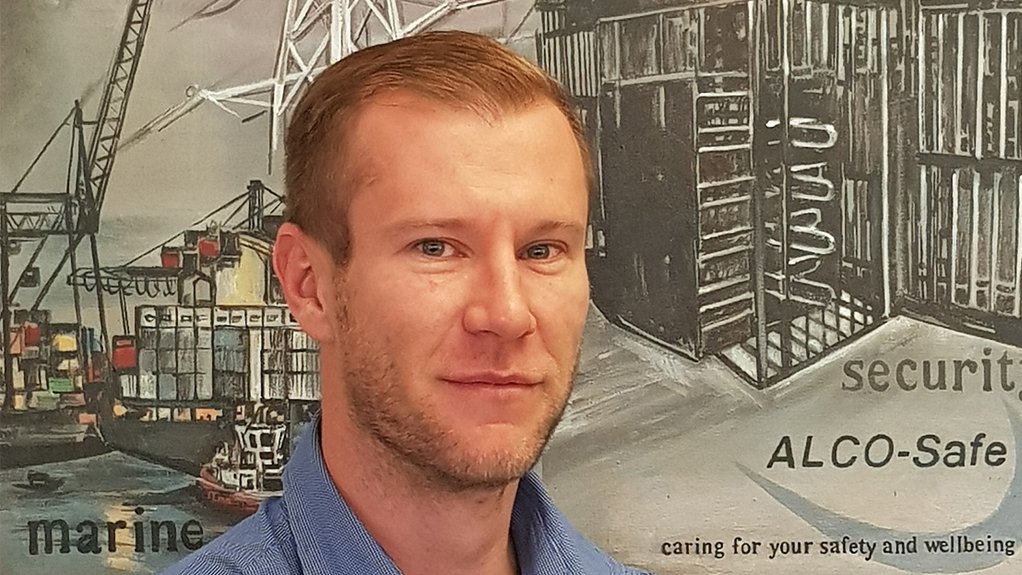



By Rhys Evans, MD at ALCO-Safe
Many businesses in South Africa are now comfortable with offering a Work from Home (WFH) or hybrid model to employees after the Covid-19 lockdown ended. As employees now spend more of their working hours at home, this can pose a problem for companies that require regular alcohol and drug testing as part of their health and safety policies. It has become challenging to physically monitor whether an employee is consuming alcohol or drugs during working hours when they are not present in the office. Although companies might not be able to breathalyse or test employees for drugs in their home environment, they will need to look at training line managers and HR personnel to be sensitive to any tell-tale warning signs from employees when engaging with them online.
WFH: the workplace rules still apply
Intoxication in the workplace constitutes misconduct and is a dismissible offense. Employers must have an alcohol and substance abuse policy that is communicated to all employees. Companies should ensure that their policies now cover not just consumption and intoxication on-premises but extend it to behaviour out of office during working hours in the event that it affects an employee’s ability to do their job. These should clearly state that the workplace rules apply, even when working from home. Policies are not limited to the consumption of alcohol and should be updated to include any substance that impacts an individual’s ability to perform their duties, such as cannabis.
Misconduct vs illness
Although all Covid-19 lockdown measures and restrictions on public gatherings have been removed and daily life is returning to normal, this does not mean that the challenges and problems people were experiencing as a result of the pandemic have disappeared. In fact, life is only getting more difficult for most South Africans, who are faced with rising food and fuel costs and the constant disruption and stress of load shedding. People tend to turn to alcohol and substances as a crutch to cope during challenging times, and it is important for managers and employers to be sensitive to the fact that alcoholism and substance abuse is an illness. As such, each case must be treated on its merits and a distinction must be drawn between incapacity as a result of alcoholism and incidents of simple misconduct, where an employee is taking liberties because they think no one is watching. If an employer suspects that an employee may have a dependency problem, the employer is under obligation to assist the worker to access treatment.
Warning signs to look out for
What do managers need to know in order to identify if there is a problem with alcohol or drugs when someone is working from home? This can be particularly tricky, especially when managers are only engaging with workers online, making it easy for workers to switch off their cameras during meetings, or sip alcohol out of a coffee mug. Here, it is important to be aware of behavioural changes in employees, such as someone who has always been reliable suddenly becoming unreliable with work deadlines, or a drop in performance. Someone who was always actively involved, now disengaging, or a person who has always met targets, now falling short of expectations. This alone is insufficient to point to a substance abuse scenario, as this can also indicate that the individual might be experiencing a personal or family issue. If the change in behaviour is noticeable, managers should investigate immediately, but in a compassionate manner.
Corrective procedures
When a manager suspects that an employee is intoxicated during working hours, the next step depends on their workplace policy and whether a first-time offense is legally punishable by dismissal. Ordinarily, counseling is the most suitable course of action, along with a written warning. Some companies are big enough to offer in-house counseling, while others can only refer the individual to the appropriate healthcare provider while allowing the person sick leave to seek assistance. If the problem is serious enough, the individual might be required to attend a rehabilitation centre, in which case the employee is often suspended until they have completed rehabilitation. Once they have returned to work, they will be evaluated on a regular basis with the aim of preventing relapse. It is important to remember, in the case of a substance abuse problem, that disciplinary procedures are not meant to be punitive in nature. This does not address the root of the problem, nor does it help the individual. While workplace intoxication policies must legally be enforced for the health and safety of all workers, it can still be done with compassion and sensitivity, particularly during tough times.
Article Enquiry
Email Article
Save Article
Feedback
To advertise email advertising@creamermedia.co.za or click here
Research Reports

Projects

Latest Multimedia


Latest News
Showroom
Established on 1 March, 2000, by Barries Barnard, Advanced Fire Suppression Technologies (AFST) and the Advanced Group stands as Sub-Saharan...
VISIT SHOWROOM
Virtual Gas Network supplies compressed natural gas via a virtual gas distribution network.
VISIT SHOWROOM

Announcements
What's On
Subscribe to improve your user experience...
Option 1 (equivalent of R125 a month):
Receive a weekly copy of Creamer Media's Engineering News & Mining Weekly magazine
(print copy for those in South Africa and e-magazine for those outside of South Africa)
Receive daily email newsletters
Access to full search results
Access archive of magazine back copies
Access to Projects in Progress
Access to ONE Research Report of your choice in PDF format
Option 2 (equivalent of R375 a month):
All benefits from Option 1
PLUS
Access to Creamer Media's Research Channel Africa for ALL Research Reports, in PDF format, on various industrial and mining sectors
including Electricity; Water; Energy Transition; Hydrogen; Roads, Rail and Ports; Coal; Gold; Platinum; Battery Metals; etc.
Already a subscriber?
Forgotten your password?
Receive weekly copy of Creamer Media's Engineering News & Mining Weekly magazine (print copy for those in South Africa and e-magazine for those outside of South Africa)
➕
Recieve daily email newsletters
➕
Access to full search results
➕
Access archive of magazine back copies
➕
Access to Projects in Progress
➕
Access to ONE Research Report of your choice in PDF format
RESEARCH CHANNEL AFRICA
R4500 (equivalent of R375 a month)
SUBSCRIBEAll benefits from Option 1
➕
Access to Creamer Media's Research Channel Africa for ALL Research Reports on various industrial and mining sectors, in PDF format, including on:
Electricity
➕
Water
➕
Energy Transition
➕
Hydrogen
➕
Roads, Rail and Ports
➕
Coal
➕
Gold
➕
Platinum
➕
Battery Metals
➕
etc.
Receive all benefits from Option 1 or Option 2 delivered to numerous people at your company
➕
Multiple User names and Passwords for simultaneous log-ins
➕
Intranet integration access to all in your organisation

