



The Impacts of Overhead Powerlines on Avifaunal Species

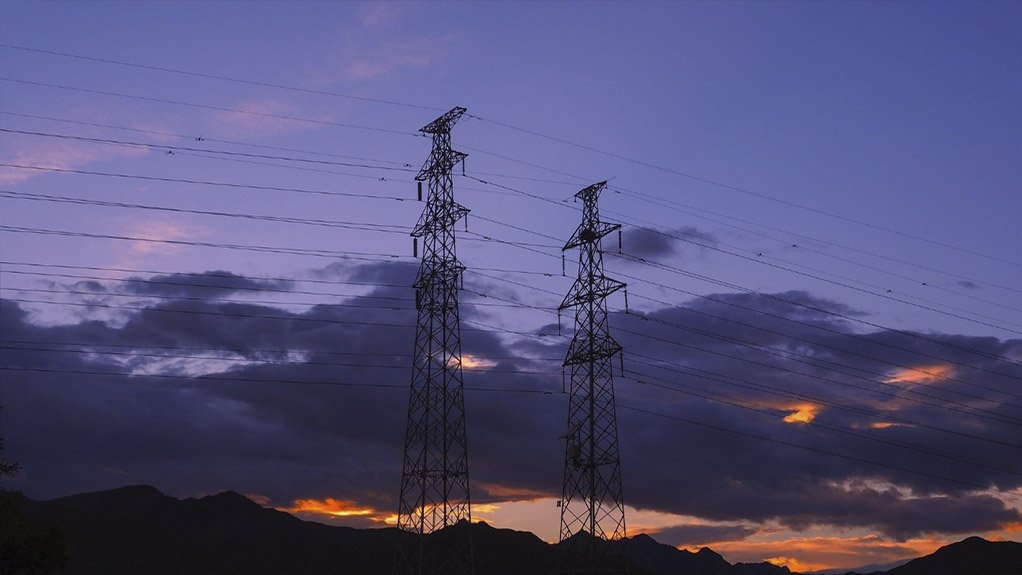


(Virtual Showroom): The construction and placement of overhead powerlines impact the surrounding environment in many ways. With powerlines taking up airspace avifaunal species are impacted in unique ways. The following article will seek to explain how overhead powerlines impact avifaunal species, how an avifaunal impact study is conducted, what are the guidelines of the avifaunal impact study, how does an avifaunal impact study fit into environmental authorizations, and how ENVASS can assist you in environmental assessments required for overhead powerlines.
The construction of overhead powerlines impact on avifaunal species on the ground and in the air. Pylons are required to hold the overhead powerlines in place which impact avifaunal species on the ground by destroying their terrestrial, riverine, freshwater, and/or wetland habitat where the pylons will be constructed. These different habitats that can be potentially destroyed in the construction and erection of the pylons are used by avifaunal species for roosting, nesting, and foraging for food (Van Rooyen & Froneman, 2020) (Smallie, 2009). The construction of these pylons impacts the habitat through habitat destruction and direct disturbance (Van Rooyen & Froneman, 2020) (Smallie, 2009). The powerlines themselves impact avifaunal species by obstructing previously clear airspace (Van Rooyen & Froneman, 2020) (Smallie, 2009). Avifaunal species migrate between different habitats, to and from feeding places, and to escape predators. If there are no suitable mitigation measures in place such as bird flight diverters, birds often collide with these powerlines resulting in a loss of life and loss of biodiversity (Van Rooyen & Froneman, 2020) (Smallie, 2009).
Before construction of overhead powerlines and pylons can commence, an avifaunal impact study is required. An avifaunal impact study comprises of: A desktop study; A reconnaissance survey, which is when you go to the project site for 2 to 4 days to inspect the site and use information based on the desktop study; Pre-application monitoring plan, this plan consists of an overview of the study area, what avifaunal species occur in the area; and lastly an avifaunal impact assessment which is a report of the findings, impacts and mitigation measures in line with relevant legalisation from observations found while on site and during the desktop study (DFFE, 2020).
The avifaunal impact study report comprises of standard headings in a scientific report but also includes a sensitivity assessment, assessment of proposed impacts of the pylons and powerlines on the study site, provision of mitigation measures, and recommended protocols and necessity of future monitoring (Botha, 2018 and Mora, 2021)
An avifaunal impact study fits into environmental authorisations according to Appendix 6 of the Environmental Impact Assessment regulations which states that a specialist report needs to be prepared in term of the regulations, and there are numerous regulations that are stipulated within the appendix (DFFE, 2014). Please find the government gazette with what is needed for specialist reports in the link below: https://www.dffe.gov.za/sites/default/files/legislations/nema_eia2014regulations_g38282_0.pdf
Environmental Assurance (Pty) Ltd. (ENVASS) offers very skilled Environmental Specialist teams who are always ready to tackle a new project and are competent for your needs.
Article Enquiry
Email Article
Save Article
Feedback
To advertise email advertising@creamermedia.co.za or click here
Research Reports

Projects

Latest Multimedia



Showroom
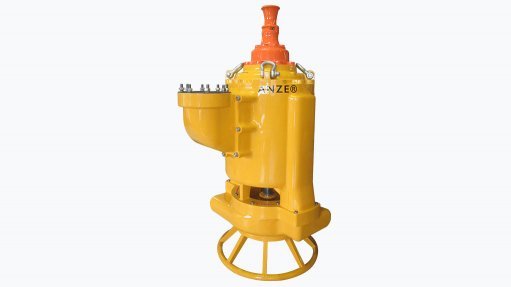
Goodwin Submersible Pumps Africa is sole distributors for Goodwin electrically driven, submersible, abrasion resistance slurry pumps.
VISIT SHOWROOM
Stewarts & Lloyds is a leading steel, tube, and engineering product supplier in South Africa.
VISIT SHOWROOM
Announcements
What's On
Subscribe to improve your user experience...
Option 1 (equivalent of R125 a month):
Receive a weekly copy of Creamer Media's Engineering News & Mining Weekly magazine
(print copy for those in South Africa and e-magazine for those outside of South Africa)
Receive daily email newsletters
Access to full search results
Access archive of magazine back copies
Access to Projects in Progress
Access to ONE Research Report of your choice in PDF format
Option 2 (equivalent of R375 a month):
All benefits from Option 1
PLUS
Access to Creamer Media's Research Channel Africa for ALL Research Reports, in PDF format, on various industrial and mining sectors
including Electricity; Water; Energy Transition; Hydrogen; Roads, Rail and Ports; Coal; Gold; Platinum; Battery Metals; etc.
Already a subscriber?
Forgotten your password?
Receive weekly copy of Creamer Media's Engineering News & Mining Weekly magazine (print copy for those in South Africa and e-magazine for those outside of South Africa)
➕
Recieve daily email newsletters
➕
Access to full search results
➕
Access archive of magazine back copies
➕
Access to Projects in Progress
➕
Access to ONE Research Report of your choice in PDF format
RESEARCH CHANNEL AFRICA
R4500 (equivalent of R375 a month)
SUBSCRIBEAll benefits from Option 1
➕
Access to Creamer Media's Research Channel Africa for ALL Research Reports on various industrial and mining sectors, in PDF format, including on:
Electricity
➕
Water
➕
Energy Transition
➕
Hydrogen
➕
Roads, Rail and Ports
➕
Coal
➕
Gold
➕
Platinum
➕
Battery Metals
➕
etc.
Receive all benefits from Option 1 or Option 2 delivered to numerous people at your company
➕
Multiple User names and Passwords for simultaneous log-ins
➕
Intranet integration access to all in your organisation

