



Sekisovskoye mine


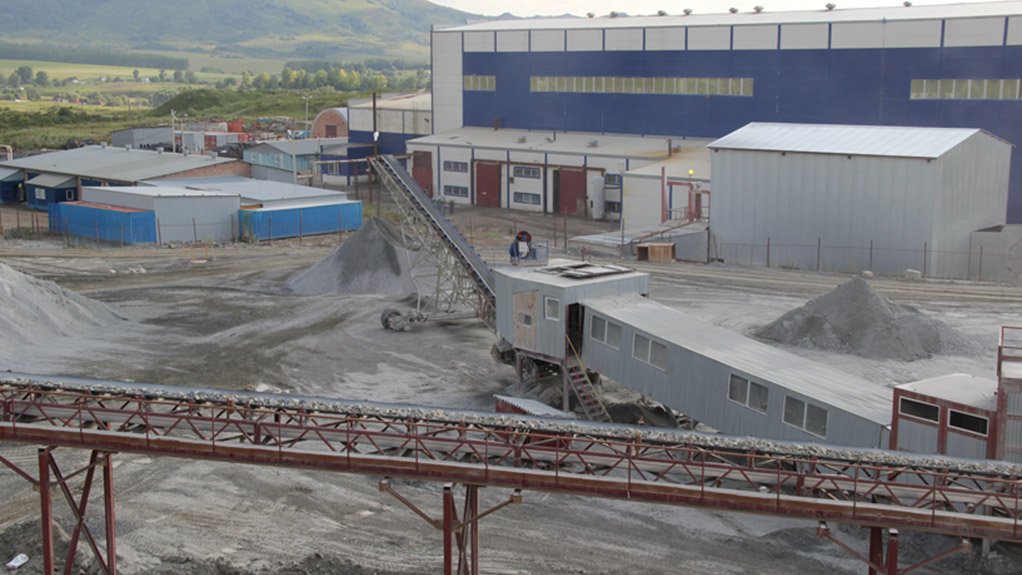
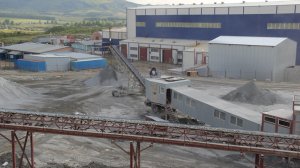
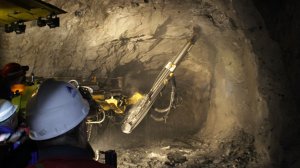
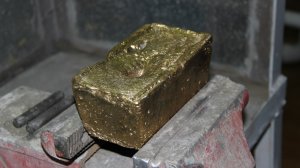


Name: Sekisovskoye mine, Kazakhstan.
Location: The Sekisovskoye deposit is located in the village of Sekisovka, about 40 km from the East Kazakhstan regional capital, Ust Kamenogorsk.
Controlling Company: GoldBridges Global Resources, formerly Hambledon Mining.
Brief History: The Sekisovskoye openpit mine had been worked by the Soviets from 1976. Exploration and metallurgical studies were carried out from 1979 to 1994 on the openpit and underground orebodies. Hambledon Mining acquired the mining rights held by TOO Sekisovskoye in 1994. The mining licence is valid until 18 July, 2020 with a contractual right to extend it. In 2004, Hambledon Mining listed on the Alternative Investment Market, or AIM. It subsequently built a new treatment plant capable of treating 850 000 t/y. It started mining in 2007 and began processing ore and pouring gold in 2008.
In late 2011, Hambledon Mining began mining the underground deposit of Sekisovskoye; however, in October 2012 mining was temporarily halted. A loan and equity investment from the European Bank for Reconstruction and Development was announced to assist in the financing of the underground development.
In late 2012, African Resources made a successful partial tender offer for Hambledon Mining and currently owns 50.9% of the outstanding issued equity. A reconfigured board was instituted and led by Aidar Assaubayev as CEO, with Ashar Qureshi, Ken Crichton, Alain Balian, and Bill Trew as nonexecutive directors.
The undeground mine was restarted in mid-June 2013 under the leader- ship of the new management team and in January Hambledon Mining changed its name to GoldBridges Global Resources.
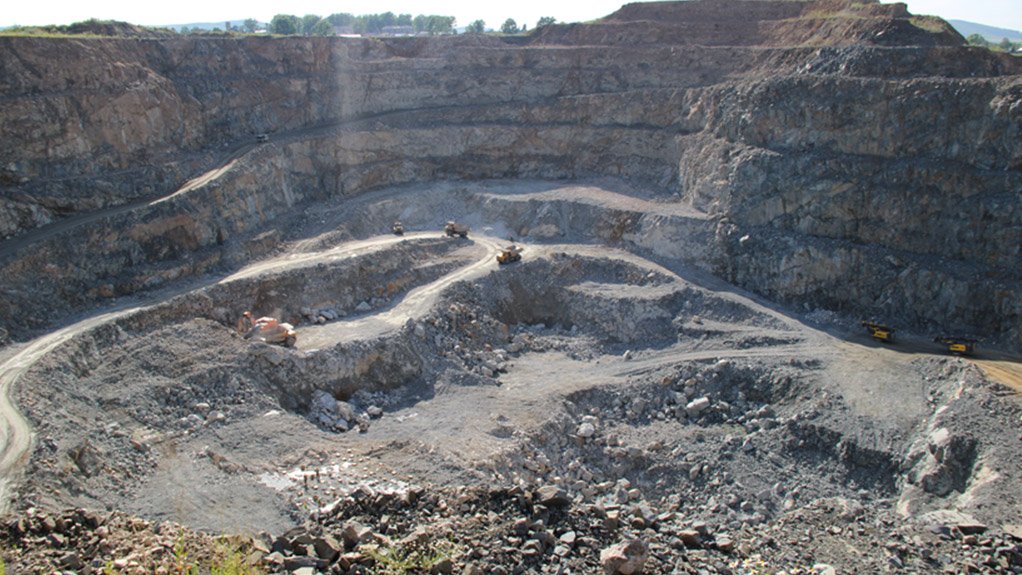
Brief Description: The Sekisovskoye deposit consists of a steeply dipping series of lenticular zones striking north-west/south-east and dipping to the north-east. The openpit was mined from surface to a depth of 340 m. Mining from the underground pit is planned from the base of the openpit vertically down to at least another 700 m.
Geology/Mineralisation: The deposit occurs in the north-west marginal zone of the 40 000 m2 Rudny Altai Palaeozoic metallogenic belt that occupies the eastern border of Kazakhstan and the Altaisky region of Russia. The mineral-hosting intrusives are of late Devonian age.
Hambledon Mining extensive infill diamond drilling programmes within the upper horizons of the deposit have provided a higher confidence in the delineation of the gold zones, which better reflects the complexity of the gold distributions in shape and spatial continuity. Consequently, the number of mineralised zones has increased significantly, totalling 244 zones within the higher levels above the 250 m elevation and a total of 307 zones for potential underground exploitation below the 250 m level. True thickness of these tabular-like zones may change rapidly along strike and downdip, with a maximum delineated thickness of 45 m, and the continuity of mineralisation may reach 700 m downdip and 150 m along strike. Most of these zones are parallel to subparallel within the hosting breccia pipe, with dips averaging 65º to 80º north-easterly. It has been shown that several of the “barren” igneous dykes within the hosting breccias can contain noteworthy gold levels and these have been incorporated into the modelling of the gold zones.
Gold is associated with hydrothermal alteration of the breccia zone matrix and also with hydrothermal sulphide veining. A high percentage of the gold occurs as intergrowths and free grains, with only a minor percentage locked within sulphides. Gold particles can be coarse, up to 0.4 mm, and this contributes to an erratic grade distribution, in addition to the presence of unmineralised breccia fragments. The presence of listvenite alteration indicates that the gold and silver mineralisation may have emanated from hydrothermal solutions that developed from differentiated deep-seated ultrabasic magmas.
Resources: In a December 2013 presentation, Hambledon Mining estimated underground resources of about six-million ounces of gold at 5.34 g/t, using 3 g/t cutoff grade.
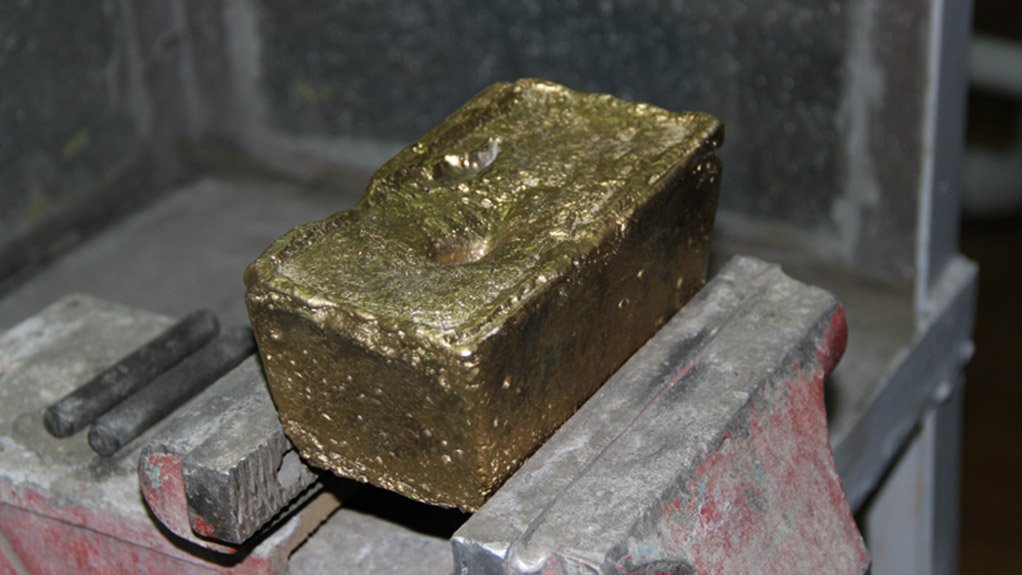
Products: Gold and silver.
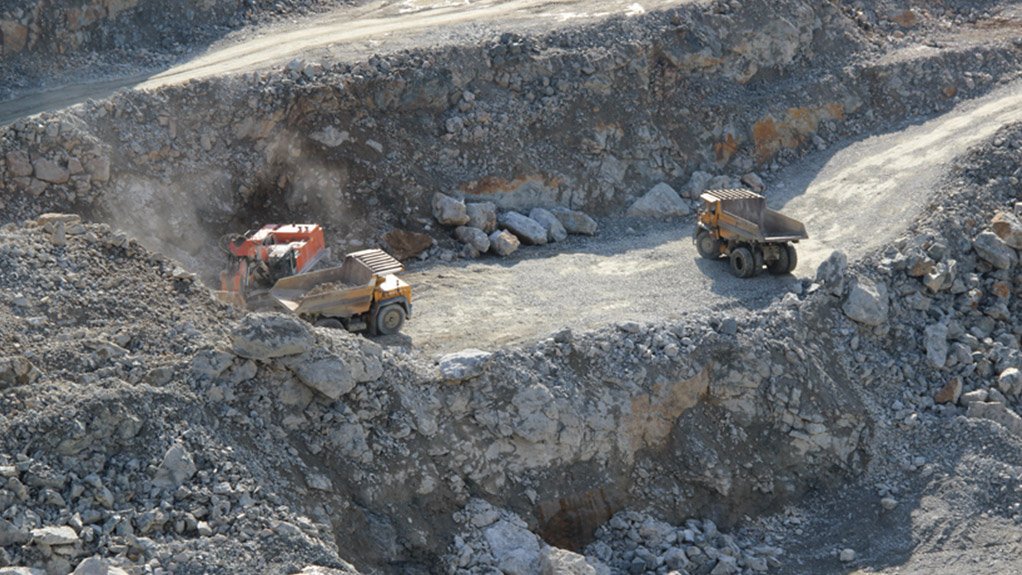
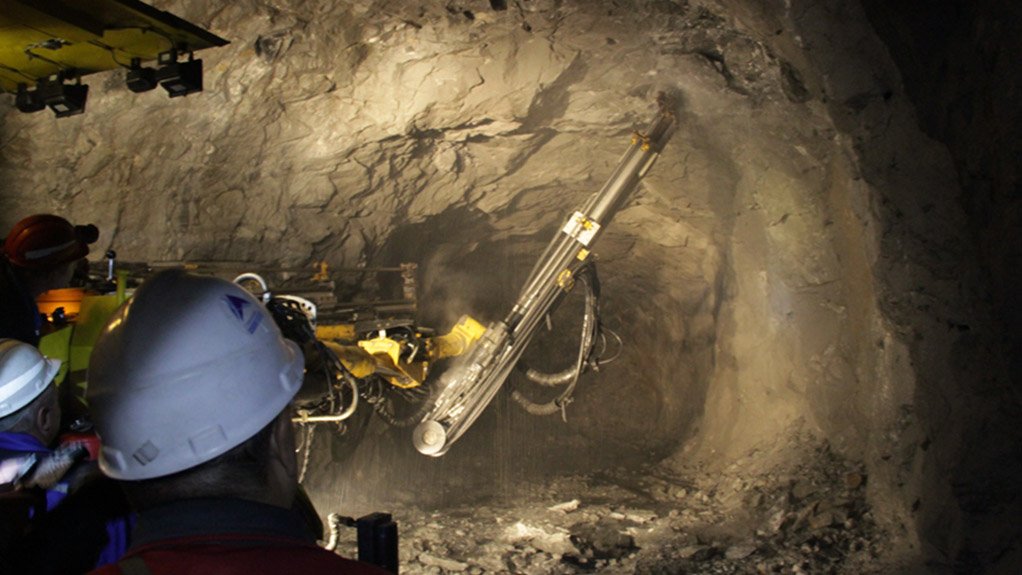
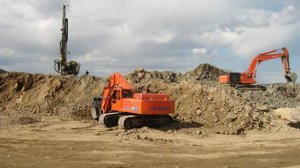
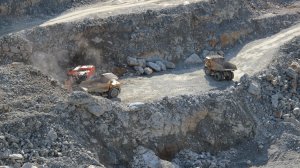
Mining Method: Mining operations are conventional drill-and-blast with excavator and truck haulage.
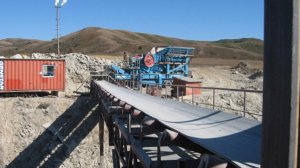
Major Infrastructure and Equipment: Mining is conducted by Sekisovskoye’s own mining fleet, as a detailed cost analysis conducted prior to the start of operations showed there were considerable cost savings to be gained. The mining fleet consists of two Hitachi Zaxis 850H, 85 t excavators and a fleet of 45 t BelAZ 7547 mining trucks. The addition of a Kaneks EK450 45 t excavator in August 2009 has increased mine capacity. Atlas Copco COPL7 drilling rigs are used for drilling. Ancillary mining equipment is a mixture of Russian and Chinese equipment.
Prospects: The underground mine at Sekisovskoye became operational in mid-June 2013.
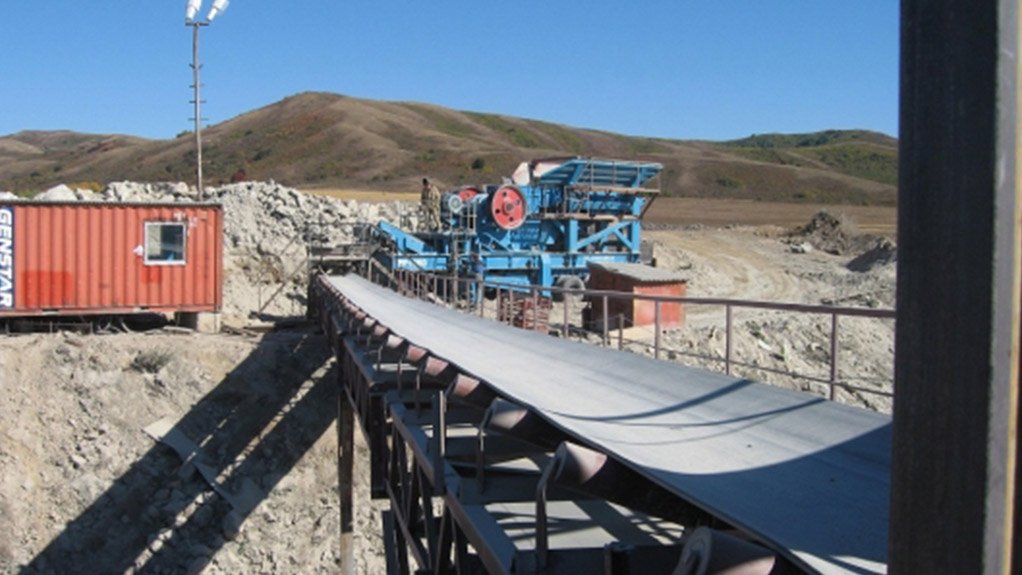
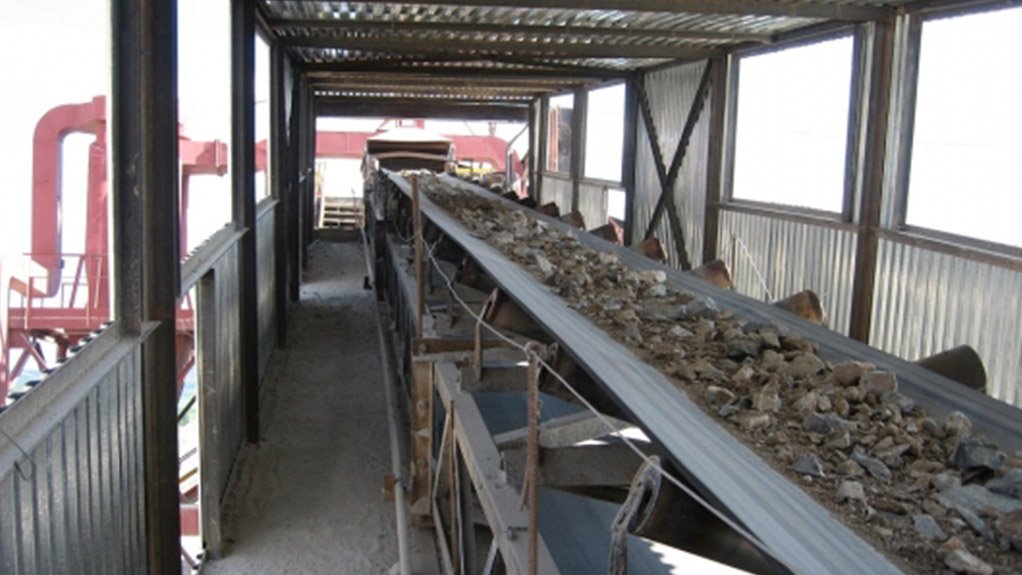
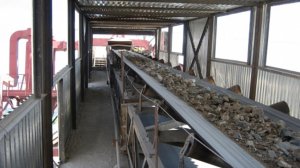
GoldBridges Global Resources is refining its mining plans to further optimise existing operations at Sekisovskoye. To optimise the development of the underground mine, the company is working with a subcontractor to increase the speed at which waste rock is removed to expedite access to the orebody. Additional improvements have been made to the processing plant, including the installation and commissioning of the seventh carbon-in-leach tank, which should positively affect gold recovery rate.
Contact Person: Investor relations, Tim Blythe.
Contact Details: GoldBridges Global Resources
Tel +44 207 932 2400; Email bp@hambledon-mining.com;
Website http://www.goldbridgesplc.com
Article Enquiry
Email Article
Save Article
Feedback
To advertise email advertising@creamermedia.co.za or click here
Research Reports

Projects

Latest Multimedia
Latest News
Showroom

Sulzer South Africa, established in 1922, partners with critical industries like power, oil & gas, water, mining, and chemicals to boost...
VISIT SHOWROOM
The Aluminium Federation of South Africa (AFSA), is the voice of the South African aluminium industry.
VISIT SHOWROOM

Announcements
What's On
Subscribe to improve your user experience...
Option 1 (equivalent of R125 a month):
Receive a weekly copy of Creamer Media's Engineering News & Mining Weekly magazine
(print copy for those in South Africa and e-magazine for those outside of South Africa)
Receive daily email newsletters
Access to full search results
Access archive of magazine back copies
Access to Projects in Progress
Access to ONE Research Report of your choice in PDF format
Option 2 (equivalent of R375 a month):
All benefits from Option 1
PLUS
Access to Creamer Media's Research Channel Africa for ALL Research Reports, in PDF format, on various industrial and mining sectors
including Electricity; Water; Energy Transition; Hydrogen; Roads, Rail and Ports; Coal; Gold; Platinum; Battery Metals; etc.
Already a subscriber?
Forgotten your password?
Receive weekly copy of Creamer Media's Engineering News & Mining Weekly magazine (print copy for those in South Africa and e-magazine for those outside of South Africa)
➕
Recieve daily email newsletters
➕
Access to full search results
➕
Access archive of magazine back copies
➕
Access to Projects in Progress
➕
Access to ONE Research Report of your choice in PDF format
RESEARCH CHANNEL AFRICA
R4500 (equivalent of R375 a month)
SUBSCRIBEAll benefits from Option 1
➕
Access to Creamer Media's Research Channel Africa for ALL Research Reports on various industrial and mining sectors, in PDF format, including on:
Electricity
➕
Water
➕
Energy Transition
➕
Hydrogen
➕
Roads, Rail and Ports
➕
Coal
➕
Gold
➕
Platinum
➕
Battery Metals
➕
etc.
Receive all benefits from Option 1 or Option 2 delivered to numerous people at your company
➕
Multiple User names and Passwords for simultaneous log-ins
➕
Intranet integration access to all in your organisation

