



Critical control management assisting in reducing health and safety risks at mines

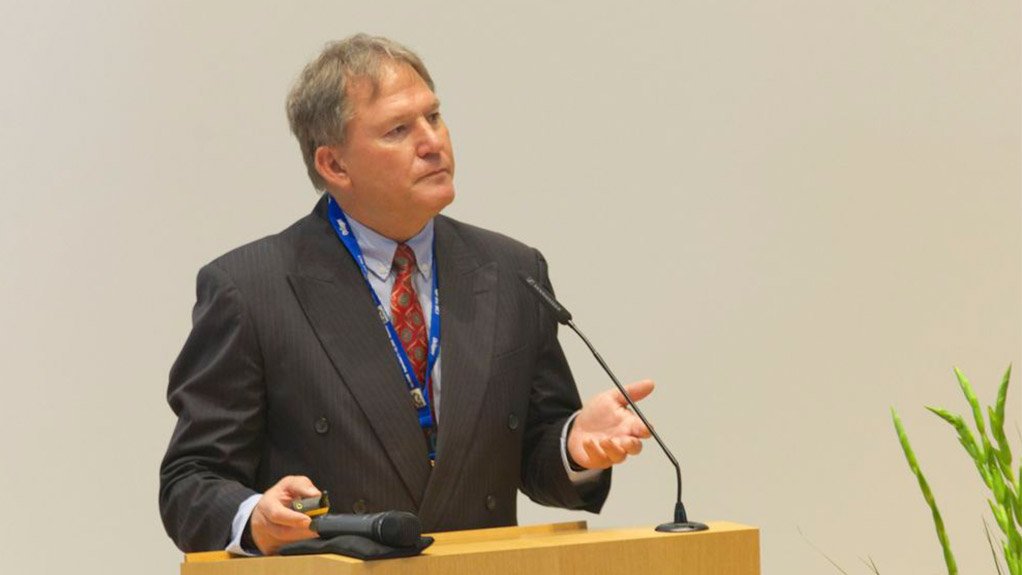
HANNES STRUYWEG The occurrence of fatal and other “catastrophic” events continues to be a sad reality in the mining industry worldwide
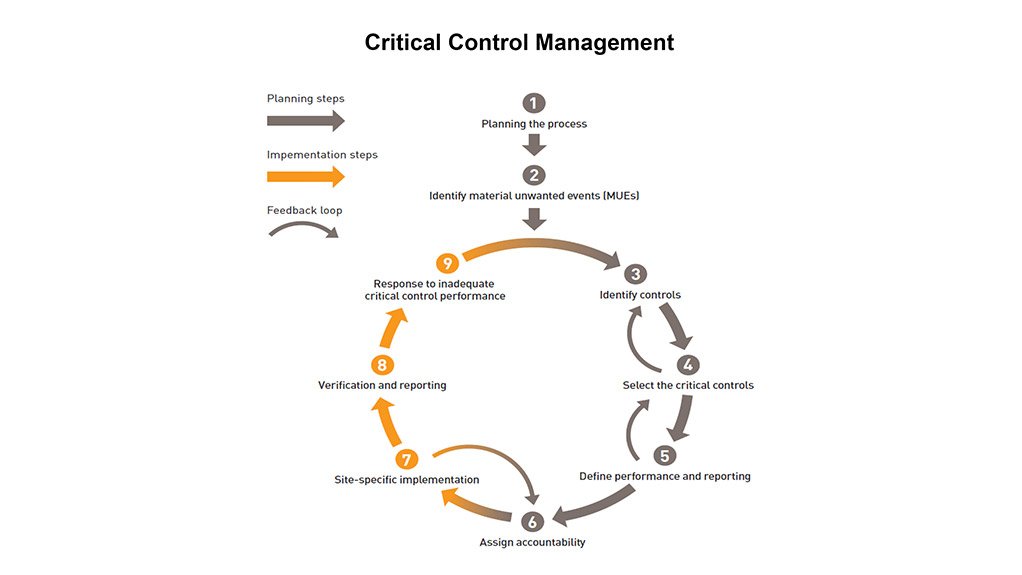
CRITICAL CONTROL MANAGEMENT This is the first time this approach has been captured in a single document designed specifically for the mining and metals industry


Continuous learning and improvement are needed to improve health and safety in the global mining industry, says International Council for Mining and Metals (ICMM) health and safety director Hannes Struyweg.
He points out that the occurrence of fatal and other “catastrophic” events continues to be a sad reality in the industry worldwide.
Struyweg says that, in the past, the learning was focused on the analysis of injuries and injury rates. However, this was insufficient, with greater success being had more recently with the trend to investigate high-potential incidents.
“The fundamental issue often revealed in these investigations was that a common cause of incidents relates to a combination of ineffective controls and/or substandard performance of controls,” he states.
Struyweg explains that, realising that urgent work was needed in the industry, the ICMM has undertaken a collaborative project on health and safety risk management, with the objective of developing guidance for the industry on an end-to-end risk management process that delivers reliable and effective controls.
He notes that the ICMM compiled a good practice guidance document on critical control management, which was published in April.
The document provides practical guidance on preventing the most serious types of health and safety incidents, or material unwanted events, or MUEs.
Struyweg says the document also provides advice on how to identify and manage critical controls that can either prevent a serious incident occurring in the first place or minimise the severity of the consequences if a serious incident does occur.
Therefore, he states that this document provides specific guidance on identifying the critical controls, establishing performance expectations, assessing their adequacy, assigning accountability for their implementation, monitoring their performance and verifying their effectiveness in practice.
The approach described in the document is called critical control management (CCM). Struyweg says that CCM is well established and practised in many high-hazard industries, particularly the oil and gas industry.
However, he notes that this is the first time this approach has been captured in a single document designed specifically for the mining and metals industry.
“This would not have been possible without the guidance and support of ICMM member companies. “As with most new organisational initiatives, the successful implementation of CCM requires senior executive support.
“This support is required in terms of establishing CCM not only within companies, but also in its ongoing implementation. The approach enables senior leaders to exercise their leadership role in health and safety more effectively as a result of the transparency brought to bear by applying CCM,” Struyweg highlights.
He comments that CCM should also empower employees terms of knowing exactly what critical controls are, what is deemed to be an acceptable or unacceptable risk, and their role in managing the risks.
Struyweg says that, under CCM, critical controls should be clearly described and their required performance and the accountability for implementing the controls should be made explicit.
“This should permit senior leaders to participate even more effectively in managing the risks of major incidents. Committed leadership through the active monitoring of CCM across the mining and metals industry is essential for the long-term success of the approach.”
He emphasises that the work of improving the industry’s health and safety performance is driven by the vision of zero harm, with the elimination of fatalities and other catastrophic incidents being a crucial step in achieving this.
“By using a combination of leadership, effective material risk management and open learning between industry peers, ICMM is in a position to provide guidance on effective risk management that is not predominantly centred on risk assessments, but is focused on ensuring that catastrophic incidents simply do not occur.
“Combined with an approach to health that has the enhancement of the wellbeing of the workforce at its heart, the focus on zero harm is increasingly in reach,” Struyweg concludes.
Article Enquiry
Email Article
Save Article
Feedback
To advertise email advertising@creamermedia.co.za or click here
Research Reports

Projects


Latest Multimedia

Latest News
Showroom
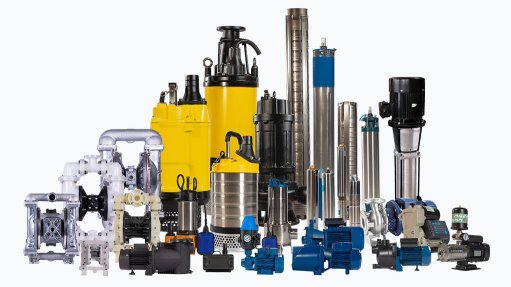
AxFlow AQS Liquid Transfer (Pty) Ltd is an Importer and Distributor of Pumps in Southern Africa
VISIT SHOWROOM
Electrifying the world in a safe, smart, and sustainable way, ABB Electrification is a global technology leader in electrical distribution and...
VISIT SHOWROOM


Press Office
Announcements
What's On
Subscribe to improve your user experience...
Option 1 (equivalent of R125 a month):
Receive a weekly copy of Creamer Media's Engineering News & Mining Weekly magazine
(print copy for those in South Africa and e-magazine for those outside of South Africa)
Receive daily email newsletters
Access to full search results
Access archive of magazine back copies
Access to Projects in Progress
Access to ONE Research Report of your choice in PDF format
Option 2 (equivalent of R375 a month):
All benefits from Option 1
PLUS
Access to Creamer Media's Research Channel Africa for ALL Research Reports, in PDF format, on various industrial and mining sectors
including Electricity; Water; Energy Transition; Hydrogen; Roads, Rail and Ports; Coal; Gold; Platinum; Battery Metals; etc.
Already a subscriber?
Forgotten your password?
Receive weekly copy of Creamer Media's Engineering News & Mining Weekly magazine (print copy for those in South Africa and e-magazine for those outside of South Africa)
➕
Recieve daily email newsletters
➕
Access to full search results
➕
Access archive of magazine back copies
➕
Access to Projects in Progress
➕
Access to ONE Research Report of your choice in PDF format
RESEARCH CHANNEL AFRICA
R4500 (equivalent of R375 a month)
SUBSCRIBEAll benefits from Option 1
➕
Access to Creamer Media's Research Channel Africa for ALL Research Reports on various industrial and mining sectors, in PDF format, including on:
Electricity
➕
Water
➕
Energy Transition
➕
Hydrogen
➕
Roads, Rail and Ports
➕
Coal
➕
Gold
➕
Platinum
➕
Battery Metals
➕
etc.
Receive all benefits from Option 1 or Option 2 delivered to numerous people at your company
➕
Multiple User names and Passwords for simultaneous log-ins
➕
Intranet integration access to all in your organisation

