BCCEI Encourages Collaboration to Strengthen Awareness of Collective Agreements in the Civil Engineering Sector




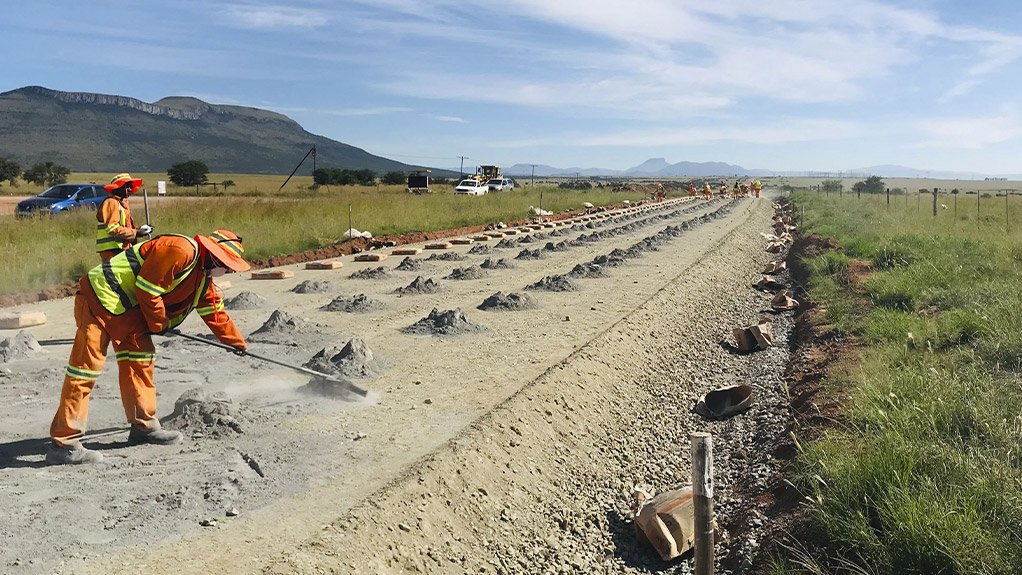


Lindie Fourie, Operations Manager at the BCCEI
The BCCEI continues to support stability, compliance and fair labour practices across South Africa’s civil engineering sector through industry guidance and stakeholder engagement
Raising awareness of collective agreements among contractors and subcontractors remains a key priority in strengthening compliance across infrastructure projects
Direct engagement between the BCCEI, principal contractors and subcontractors helps create greater clarity around labour obligations and employment conditions
Information sessions and induction briefings play an important role in ensuring that emerging contractors understand the sector’s collective agreements
Collaboration across the civil engineering value chain supports fair, transparent and lawful employment practices on construction projects
Through ongoing partnership with industry stakeholders, the BCCEI helps strengthen the stability and long-term growth of South Africa’s civil engineering sector









The Bargaining Council for the Civil Engineering Industry (BCCEI) continues to play an important role in supporting stability, compliance and fair labour practices across South Africa’s civil engineering sector. One area where this role is increasingly valuable is in raising awareness and understanding of the industry’s collective agreements among contractors and subcontractors operating on construction projects.
The civil engineering sector relies heavily on collaboration between principal contractors and a wide network of subcontractors. These subcontractors often provide specialised skills and services that are critical to the successful delivery of infrastructure projects. However, many smaller or emerging subcontractors may not always be fully familiar with the requirements and obligations contained in the industry’s collective agreements.
According to Lindie Fourie, Operations Manager at the BCCEI, improving awareness of these agreements benefits the entire sector. “When all parties understand the applicable wage determinations, employment conditions and compliance requirements, projects can operate more smoothly and avoid unnecessary disputes or misunderstandings,” she explains.
Importantly, this responsibility does not rest solely with principal contractors. While main contractors typically engage subcontractors as part of project delivery, the BCCEI itself provides a range of resources and support mechanisms to help industry participants understand the collective agreements that govern the sector.
Through its established structures, the BCCEI offers guidance, information sessions and engagement opportunities aimed at ensuring that both established and emerging contractors have access to accurate and practical information. These initiatives are designed to strengthen compliance while also supporting a more inclusive and transparent operating environment within the industry.
One practical step that can further strengthen this awareness is for main contractors to consider inviting the BCCEI to participate in briefing sessions or induction programmes for prospective subcontractors.
“These engagements create an opportunity for the BCCEI to explain the collective agreements directly, answer questions and clarify expectations before work begins on site,” Fourie notes.
Such sessions are particularly valuable for subcontractors who may be entering the civil engineering environment for the first time or who operate across multiple sectors where labour frameworks differ. Direct engagement with the BCCEI helps ensure that contractors and subcontractors receive consistent, authoritative information from the body responsible for administering the agreements.
This collaborative approach benefits all stakeholders. Subcontractors gain clarity on their obligations and rights, main contractors reduce the risk of compliance challenges on their projects and the industry as a whole strengthens its commitment to fair and lawful employment practices.
“The BCCEI’s role is not only regulatory but also supportive,” Fourie adds. “By working alongside contractors and providing accessible information, the BCCEI aims to build a culture of understanding and cooperation within the sector.”
As South Africa continues to prioritise infrastructure development, ensuring that all participants in the civil engineering value chain understand the framework that governs labour relations will remain essential. Through continued engagement and partnership with industry stakeholders, the BCCEI is well positioned to assist contractors and subcontractors alike in navigating the collective agreements that underpin the sector’s stability and growth.
Article Enquiry
Email Article
Save Article
Feedback
To advertise email advertising@creamermedia.co.za or click here


Projects


Latest Multimedia


Latest News


Showroom

Rio Carb is an OEM (Original Equipment Manufacturer) of R-C700 Chromium Carbide (CrC) alloy clad wear plates and pipes used for heavy materials...
VISIT SHOWROOM
The Steel Tube Export Association of South Africa was established to develop sustainable, internationally competitive carbon steel tube and pipe...
VISIT SHOWROOM



Announcements
What's On
Subscribe to improve your user experience...
Option 1 (equivalent of R125 a month):
Receive a weekly copy of Creamer Media's Engineering News & Mining Weekly magazine
(print copy for those in South Africa and e-magazine for those outside of South Africa)
Receive daily email newsletters
Access to full search results
Access archive of magazine back copies
Access to Projects in Progress
Access to ONE Research Report of your choice in PDF format
Option 2 (equivalent of R375 a month):
All benefits from Option 1
PLUS
Access to Creamer Media's Research Channel Africa for ALL Research Reports, in PDF format, on various industrial and mining sectors
including Electricity; Water; Energy Transition; Hydrogen; Roads, Rail and Ports; Coal; Gold; Platinum; Battery Metals; etc.
Already a subscriber?
Forgotten your password?
Receive weekly copy of Creamer Media's Engineering News & Mining Weekly magazine (print copy for those in South Africa and e-magazine for those outside of South Africa)
➕
Recieve daily email newsletters
➕
Access to full search results
➕
Access archive of magazine back copies
➕
Access to Projects in Progress
➕
Access to ONE Research Report of your choice in PDF format
RESEARCH CHANNEL AFRICA
R4500 (equivalent of R375 a month)
SUBSCRIBEAll benefits from Option 1
➕
Access to Creamer Media's Research Channel Africa for ALL Research Reports on various industrial and mining sectors, in PDF format, including on:
Electricity
➕
Water
➕
Energy Transition
➕
Hydrogen
➕
Roads, Rail and Ports
➕
Coal
➕
Gold
➕
Platinum
➕
Battery Metals
➕
etc.
Receive all benefits from Option 1 or Option 2 delivered to numerous people at your company
➕
Multiple User names and Passwords for simultaneous log-ins
➕
Intranet integration access to all in your organisation