GOLD 1553.00 $/ozChange: -12.65
PLATINUM 1413.00 $/ozChange: -10.50
R/$ exchange 8.36Change: 0.04
R/€ exchange 10.47Change: 0.08
 
We have detected that the browser you are using is no longer supported. As a result, some content may not display correctly.
We suggest that you upgrade to the latest version of any of the following browsers:
         
close notification
powered by
Advanced Search


Home
 
Most Popular Articles - Americas
 
 
MINING LAW
Ontario fast-tracks mining law revamp to bring much-needed clarity, 'balance' - Minister
 
9th September 2008
TEXT SIZE
Text Smaller Disabled Text Bigger
 

Ontario's Minister of Northern Development and Mines, Michael Gravelle, has defended the pace at which his Ministry set about soliciting submissions on changes to the province's century-old Mining Act, saying that a protracted consultation process would only have prolonged the uncertainty for both the mining industry and landowners.

The province, Canada's biggest minerals producer, announced a series of public consultations last month only six days before the first session, and stakeholders have complained that they have not had enough time or notice to prepare their submissions.

“In a perfect world, it would have been great to give more notice, but we wanted to move forward,” Gravelle said in an interview, ahead of the fifth and final public consultation session, in Toronto on Monday night.

“We were told very clearly, certainly by the mining sector, and I think by First Nations communities as well, that we needed clarity, that we needed certainty in terms of how we are moving forward.”

“If we took a year and a half to do this process, it might be more difficult to achieve that clarity.”

Gravelle also added that the province has been in discussions for a number of years with various stakeholders over the need to modernise the Mining Act.

Ontario Premier Dalton McGuinty has said a number of times over the past year or so that the government planned to relook at the outdated mining law, and finally kick started the process in July, at the same time as he announced plans to protect a vast northern forest region from industrial development.

The province came under additional pressure, after six members of the Kitchenuhmaykoosib Inninuwug First Nation received six-month sentences for failing to obey a court order to stay away from land where explorer Platinex has been granted rights, but which the community claims.

McGuinty said in his July announcement that his government planned to have new rules for how companies stake and explore their claims in place by next year, a target confirmed on Monday by Gravelle.

The province faces the challenge of balancing the interests of diverse stakeholder groups, including the $10,7-billion a year mining industry, aboriginal communities, who either live nearby to or have ownership claims on exploration land, and private landowners in the province, a percentage of whom do not own the mineral rights on their land, and so can come in for a nasty surprise when it catches the eye of potential minebuilders.

The current law also does not require exploration and development companies to consult with First Nations communities, either when staking land on which they have a claim, or when building an operation nearby to the respective communities.

The Ministry of Northern Development and Mines has published a discussion document, which calls for comments on issues including the mineral tenure system and security of investment, aboriginal rights and interests relating to mining development, the introduction of regulatory processes for exploration activities on government land, land use planning in Ontario's Far North, and private rights and interests, which relate to conflicts when surface rights and mining rights are not held by the same owner.

Since the consultation process began, almost 600 submissions - either written or as part of the consultation sessions - have been received, Gravelle said.

CONCERNS

A wide range of concerns and suggestions have been received from a diverse range of contributors, from grass roots prospectors, to aboriginal communities, to private landowners, and even the tourism industry.

The mining industry has expressed concern over the security of mineral tenure, as well as the need for clarity on what will be required from companies in the consultation process with aboriginal communities.

First Nations, while encouraged by the process, have warned that they do not have the capacity to conduct the consultations and negotiations with the exploration and mining companies, and will need government support in this area.

THE WAY FORWARD

The Ministry plans to continue to hold targeted consultations with the mining industry and aboriginial communities until around mid-October.

“Then we want to obviously look very carefully at everything that we have heard...and out of these consultation papers and discussions we will be working and bringing forward legislation that will find a balance,” Gravelle said.

“The balance between maintaining the very positive investment climate and the opportunities that are there for economic development in so many northern communities, and to properly reflect and respect the rights of the First Nations in terms of making decisions about their economic development.”

The Ministry plans to have a draft amendment to table before the end of the year, and, if it is approved, the province could have new rules in place next year.


Edited by: Liezel Hill

To subscribe to Mining Weekly's print magazine email subscriptions@creamermedia.co.za or buy now.

Subscribe Now Login


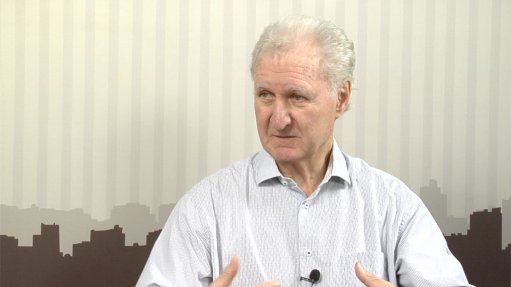
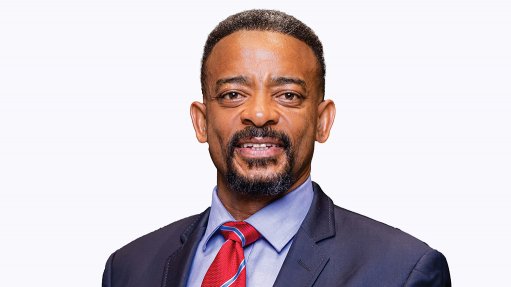
Ontario's Minister of Northern Development and Mines Michael Gravelle comments on the Mining Act review process
GET SELECTED AUDIOCLIP
Embed
This article's audio Download (1.14mb)