JOHANNESBURG (miningweekly.com) – Organic growth remained key to Impala Platinum’s (Implats’) strategy of remaining a low-cost, high-margin producer, CEO David Brown said on Thursday.
The world’s second-largest platinum miner, which posted a strong performance for its yearly results ending June 30, with headline earnings surging 41% to R11.05 a share on the back of high dollar metal prices, believed organic growth would render “the greatest return”.
There were some opportunities for acquisitions, but these remain limited, Brown said. “Mining is a long-term undertaking and requires capital expenditure to avoid reserve availability issues impacting on future production,” Brown explained.
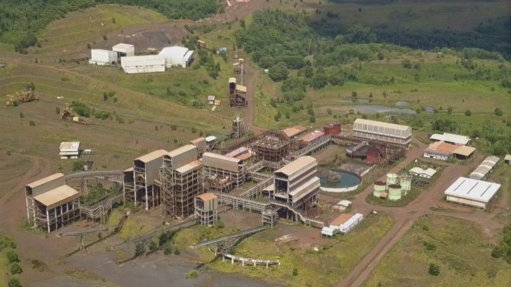
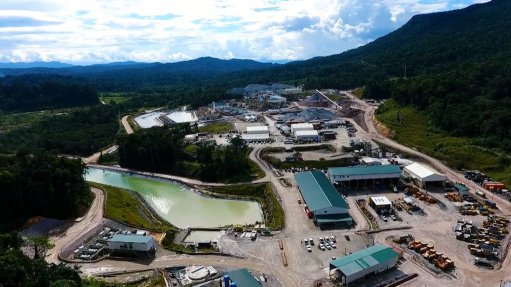
Immediate growth prospects included its African Platinum (Afplats) mine, in South Africa, and the Zimplats operation located in the Great Dyke in Zimbabwe.
The company was progressing with the second-phase expansion at Zimplats, which will increase production by 90 000 oz to 270 000 oz of platinum in the 2014 financial year. However, Brown said there was also potential for further expansion phases at the operation, provided there was a stable investment climate.
It is estimated that the capital expenditure for Zimplats will be R35-billion over the next five years, with R7-billion being spent in 2012. This will be funded from internally generated cash flow and if necessary from borrowings.
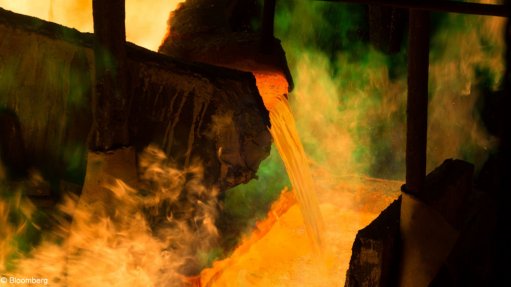
Zimplats would also play a key role in optimising Implats' costs base. The company aims to expand the Zimplats operation to have a larger relative impact on its costs profile in the future, as well as restore Marula to a profitable and cost-effective operation that delivers low-cost and high margin ounces.
For the period under review, costs were reasonably controlled given the cost inflation experienced by the industry, while improved metals demand and US dollar pricing environments enhanced the solid operational performance.
Improved performances at the Impala Rustenburg and Zimplats operations supported the company’s 5.5% increase in gross production to 1.836-million ounces of platinum.
Further, revenue jumped 30% to R33.1-billion compared with the same period last year as a result of higher dollar metals prices and sales volumes, which outweighed the impact of a stronger Rand.
Volume improvements and reasonable cost control benefitted unit costs, which rose by 8% to R10 867/oz, despite the significant ongoing inflationary pressures experienced during the year.
The company’s balance sheet remained strong with a net cash balance of R2.7-billion.
Sales volumes increased by R3.4-billion owing to higher production levels, as well as the sale of the platinum inventory built up at the Impala operations during the 2010 financial year.
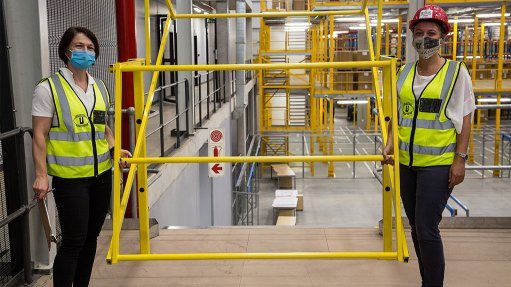
The company noted an 11% improvement in the total injury frequency rate to 13.5 per million man-hours worked, but eight employees lost their lives at work during the year.
“This was a positive year for Implats which delivered a solid operational and financial performance. We improved our gross production, supported by our Rustenburg and Zimplats operations that achieved their targets.
“Implats continues to invest in our future while maintaining a strong balance sheet and our strategy is firmly focused on organic growth and the delivery of low-cost and high margin ounces,” Brown explained.
He added that the group is positioning itself to take advantage of the medium- to long-term fundamentals for its metals by ensuring a stable, long-term production platform.
TIGHT MARKET
The strong financial performance for the period reflected a recovery in markets, group executive for marketing Derek Engelbrecht said.
“While developed markets remained under pressure, emerging markets continued to demonstrate strong growth rates. As a result the automotive market recovered dramatically during 2010,” he said.
The resilience of emerging markets was expected to continue to drive demand for all commodities, but a challenging supply environment would result in tight market conditions in future.
Engelbrecht told Mining Weekly Online that cost pressures in South Africa’s mining industry were a significant issue, as companies continued to confront above inflation increases in labour, water and electricity.
“In the long-term, these are clearly not sustainable. Something has to give – people still need these metals and as such a hard price would be needed to induce the mining companies to invest to produce more,” he explained.
In the short term, there is a lot of “nervousness” around the world for the next twelve months.
Future demand, he said would be driven by economic growth in developing economies, a growing desire for vehicle ownership in the BRICS (Brazil, Russia, Indian, China and South Africa) countries, the strong and robust growth of the heavy-duty diesel market and higher prices of a resilient jewellery market.
Engelbrecht said the platinum market would move into a deficit, while the palladium deficit would grow significantly, and supply challenges and under investment would “haunt the market”.
To subscribe to Mining Weekly's print magazine email subscriptions@creamermedia.co.za or buy now.


.gif)