GOLD 1251.17 $/ozChange: 5.53
PLATINUM 1554.50 $/ozChange: 22.50
R/$ exchange 7.25Change: 0.05
R/€ exchange 9.29Change: 0.05
 
We have detected that the browser you are using is no longer supported. As a result, some content may not display correctly.
We suggest that you upgrade to the latest version of any of the following browsers:
         
close notification
powered by
Advanced Search


Home
 
Most Popular Articles
 
 
CANADA
Adex sees interest grow in New Brunswick project
1 COMMENTS  |  
ADD A COMMENT PRINT
 
 
13th February 2010
TEXT SIZE
Text Smaller Disabled Text Bigger
 

TORONTO (miningweekly.com) – Canadian junior Adex Mining, which plans to produce tin, indium, zinc, and eventually molybdenum and tungsten, from its flagship New Brunswick property, is getting a lot of interest in all five metals from potential customers or partners in Asia, North America and Europe, CEO Errol Farr said on Friday.

The company is “intimately involved” in talking about offtake agreements and partnership arrangements, for both the first and second phases of the operation, he said in an interview at the company's Toronto headquarters.

“I'd say we've scratched the surface all around the world at the moment, on discussions,” he said.

Adex's plan is to focus on getting the North Zone (tin/indium/zinc) of its Mount Pleasant property into production first, and then follow about two years later with the first output of molybdenum and tungsten from its Fire Tower Zone (FTZ).

The idea is that cash flow from the initial phase would help fund the construction of the second project, Farr said.

If all goes to plan, he expects to be ready for a construction decision on the North zone in the second half of this year, with first concentrator production targeted for the fourth quarter of 2011.

The North zone project, which currently has a price tag of $71-million, will produce a tin concentrate, as well as a zinc/indium concentrate, which Adex then plans to upgrade into zinc metal and indium metal, using what it believes may be a unique hydrometallurgical process.

The firm looked into the options for further processing because zinc smelters do not typically pay for indium.

“And the indium is what is significantly valuable in our concentrate; a typical concentrate might have 400 ppm of indium, and we have 4 000 to 5 000 ppm,” Farr said.

Indium is used is used in plasma and LCD screens, as well as in photovoltaic cells for solar power generation.

Demand is expected to grow as economies around the world strengthen, and particularly with growing demand for consumer products in developing nations like China and India.

“And as flat-panel displays get bigger and bigger, you use a little more indium each time,” Farr added.

Adex's forecast production, at around 40 t of indium a year, could represent about 20% to 30% of the global market once operations ramp up, he said.

The company announced in January it had produced the first nugget of high-purity indium using its new process, and the next step is to complete a pilot programme on the indium and zinc metal production.

“We believe we've done it, we just have to prove it by going through the process,” Farr said.

A programme is already under way to pilot the production of the tin concentrate and bulk sulphide concentrate, containing zinc, indium, copper and other sulphides, from a stockpile of North zone ore.

The two pilot programmes will lay the foundation for a full feasibility study, which Adex plans to complete during the summer and fall of this year, leading up to the production decision by year-end.

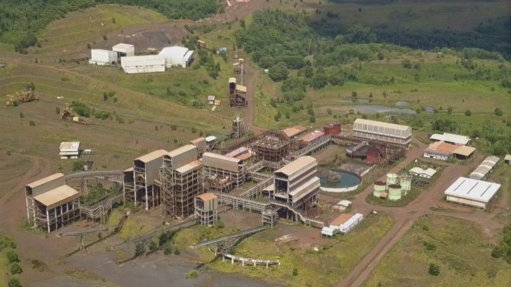
The Mount Pleasant mine was built and developed by the then Billiton in the eighties, but was closed and flooded in 1985, after less than three years in operation, after weak metals prices eroded the economics of the operation.

Much of the infrastructure remains in place, and Adex has upgraded the tailings dam at the site.

When it comes to the second mineralised zone, the molybdenum/tungsten FTZ, the company opted to push development out for a few years, firstly so that it will have the cash flow and credibility that comes with being a producing mining company, when the time comes to finance the $130-million project.

But Farr said a second reason is that he expects molybdenum prices to strengthen over the next couple of years, which would improve the economics of the operation.

“Moly prices are still pretty soft and, based on our scoping study we did in 2008, current prices are still lower than the figures we projected.

“So the economics today aren't quite as good, and we make the assumption today that moly prices are going to rebound over the next 12 months and make the project much more attractive,” he said.

That said, the firm has received “significant” interest from various corners in the moly/tungsten zone at Mount Pleasant.

If a partnership of offtake agreement ends up being formalised, that could prompt the company to move some work on the FTZ into 2010 or 2011, he indicated.

Both tungsten and molybdenum are used to strengthen steel and prevent corrosion.

FINANCING

Farr said he sees offtake agreements as key to financing the projects.

“What I'm seeing is various consumers are tending to put some money -  debt or equity - on the table to secure offtake, and I think that's the foundation of the financings.”

The company will also look at export credit agencies and local government assistance programmes, as well as traditional bank financing.

“It will have to be a fairly creative solution that involves a number of programmes.”

Edited by: Liezel Hill


Hide Comments  
 
Readers Comments
 
image image
Have been following this company for some time its good to see the progress being made under Mr Farr's leadership.
image image 
image
Tungsten Notes on 13th February 2010
 
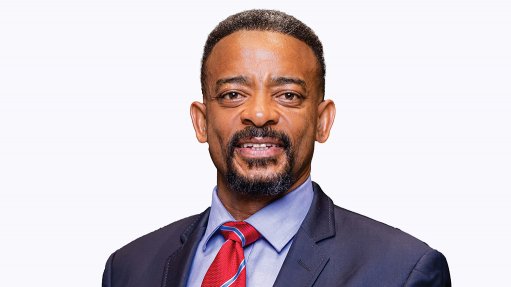
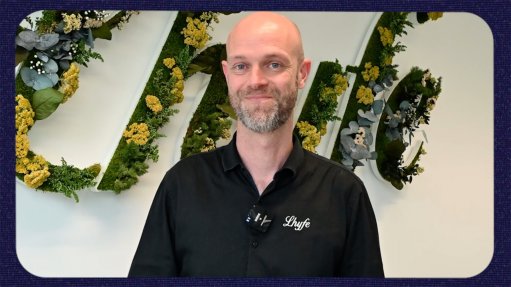
Errol Farr
 
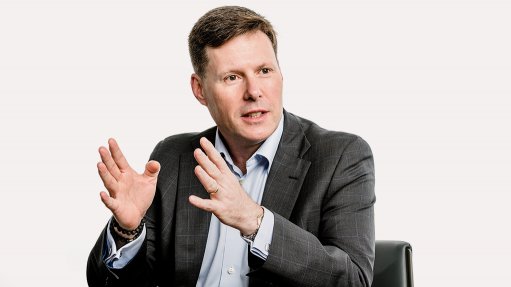
Errol Farr
 
Previous Play Next