



+27 (0)11 0461900
Private Bag X139 Halfway House 1685
Africa urged to measure hours of dependable power delivered rather than connections

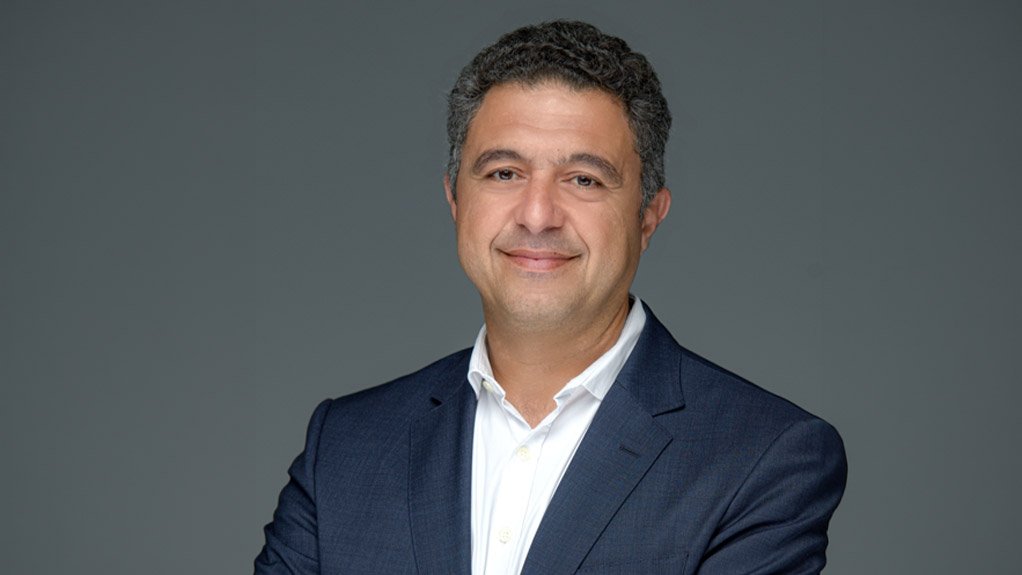




The world counts Africa’s electrification in connections, when it should instead count it in hours of dependable power, says global energy technology company Schneider Electric Middle East and Africa president Walid Sheta.
He points out that 53% of sub-Saharan Africa has access to electricity, while an estimated 560-million people still live without it.
“Both numbers are true and both are misleading, because a connection is not access. A clinic that is wired to the grid but loses power during a vaccine delivery is not electrified in any sense that matters.
“A school that plans lessons around the hours the lights work is not electrified. A factory that keeps diesel generators running beside a grid connection is paying twice for electricity and receiving it once. When we count these as success, we declare progress that people cannot feel,” he states.
He argues that much of the power Africa needs already exists on paper, but says it sits in installed capacity that never reaches a socket.
Investing in modernised, automated and digitalised energy systems has the potential to change that.
For example, at KenGen’s Masinga hydropower plant, in Kenya, ageing control systems had cut effective output from 40 MW to about 26 MW. By modernising the controls, KenGen was able to return the plant to its full 40 MW output without having to build a new hydropower plant.
In Lagos, Nigeria, electricity distribution company Ikeja Electric has reduced grid system downtime by about 33% through a phased digitisation of its network. At RCL Foods’ Pongola sugar mill, in South Africa, replacing a 30-year-old control system cut seasonal blackouts from about 40 to three and lifted throughput by 20%.
“In each case, the megawatts existed. Intelligence released them. Before we debate the next 100 GW of generation, we should ask how much of the current fleet is actually delivered,” Sheta says.
He points out that, in 2025, 48 African countries had endorsed the Dar es Salaam Declaration behind Mission 300 – the drive to connect 300-million people by 2030.
“The mission deserves unqualified support and a clear principle: investment must reward power that is delivered, not connections that are declared. A mission measured in wiring alone would announce victory while clinics, schools and factories still plan their days around failure.
“The question on the table should not be whether universal access is a pipe dream. It should be whether we are honest enough to measure what access really means. Africa’s energy future will be judged in hours of dependable power. Let us start counting them.”