GOLD 1251.41 $/ozChange: 5.77
PLATINUM 1555.00 $/ozChange: 23.00
R/$ exchange 7.25Change: 0.05
R/€ exchange 9.29Change: 0.05
 
We have detected that the browser you are using is no longer supported. As a result, some content may not display correctly.
We suggest that you upgrade to the latest version of any of the following browsers:
         
close notification
powered by
Advanced Search


Home
 
Sector News
 
Gold
 
 
AFRICA
DRC could rank with Ghana, Tanzania in 10 years – Banro chair
0 COMMENTS  |  
ADD A COMMENT PRINT
 
 
9th March 2010
TEXT SIZE
Text Smaller Disabled Text Bigger
 

TORONTO (miningweekly.com) – Investors will become increasingly comfortable with mining in the Democratic Republic of Congo, which has the potential to become the largest gold producer in Africa, Banro Corp chairperson Simon Village said on Tuesday.

“I believe the DRC, when we sit down here in ten years time,will be as acceptable as an investment destination as Ghana and Tanzania are today,” he said at a Toronto event hosted by the Canada-South African Chamber of Commerce.

Tanzania is now the third-largest gold producer in Africa, after South Africa and Ghana.

Banro plans to pour the first gold at its first mine, the Twangiza project in the DRC, by the end of 2011, and started work on phase-one construction last month, corporate development vice-president Martin Jones said later in an interview.

The company hired Standard Chartered last year to advise on debt financing for the Twangiza project, and still expects to have the funding in place by the end of the second quarter, he said.

While the DRC is still viewed as a high-risk mining jurisdiction, the recent investment by AngloGold Ashanti and Randgold Resources in what is now called the Kibali project, could signal a turning point, Village said.

He outlined what he calls the African development resources cycle - the key steps that occur in a national mining sector as it matures towards becoming a “mainstream” region for investment.

The first thing investors look for is the legislation of a new mining code, followed or preceded by the liberalisation of the economy and exchange controls.

At that point, basic desktop studies will start being undertaken to look at the potential of the area, usually by juniors, but majors will also look at the results, Village said.

“But very often, it's the juniors that go in there with the early seed investment dollars, and that leads to discovery success.

“And then, based on the size of that discovery success, that's normally followed up by the majors coming in, taking a stake, acquiring the companies and throwing a lot more capital in to develop the projects and really expand the resource potential of that country.”

Twenty years ago, Tanzania itself was far from being a choice investment destination, Village commented.

“The UN and the World Bank actually had to step in to provide financial assurance to attract mining investment.”

The fact that AngloGold, the largest gold producer in Africa, has taken a 45% interest in the multimillion-ounce Kibali project, indicates that the DRC is starting to move along the process, Village said.

"It's by no means attracting the same level of attention as Ghana and Tanzania, but that is going to come."

Although the risks are still perceived as high, they are backed by the sheer size of the deposits in the country, he commented.

The world's biggest publicly listed copper producer Freeport-McMoRan also owns a majority stake in the large Tenke Fungurume copper/cobalt mine, which began production in the DRC last year.

The risk profile of companies operating in the DRC was seen to have risen sharply, after the government commissioned a review of the 60-odd mining contracts entered into between foreign companies and State mining firms during and immediately after the country's civil war, to determine the legality of the deals and renegotiate those seen as unfair to the government.

Most firms came through the review process unscathed, although some contracts were reworked somewhat.

There are still a small number of outstanding contract reviews, including for Tenke Fungurume.

Edited by: Liezel Hill


Hide Comments  
 
This article contains no Comments


All comments must be approved by our editors, click here to read the editorial guidelines for comments. Please allow some time for our editors to approve your comment after posting.
 * Required Fields

image
image
 *


image
image
 *
 

image
image
 

Verification Image

image
image
 * Please enter the text you see in the above image.


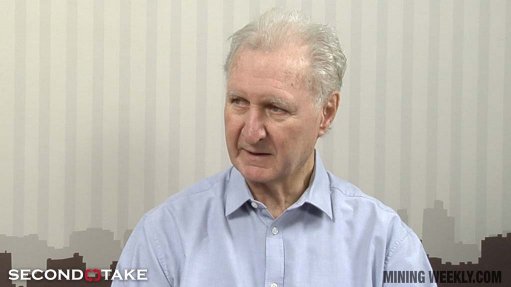
Banro chairperson Simon Village comments on investment in Africa.
This video is licensed under a Creative Commons License